




Conveyors and material handling systems often operate for long hours, carry changing loads, and work in environments where equipment reliability directly affects production. Every component in the drive system needs to support those operating demands without adding unnecessary installation or maintenance complexity.
A shaft mounted gearbox offers a compact, practical drive arrangement by mounting the reducer directly to the driven unit.
This type of gearbox can simplify how power is transferred from the motor to the driven equipment while providing the speed reduction and torque required by the application.
What Is a Shaft Mounted Gearbox?
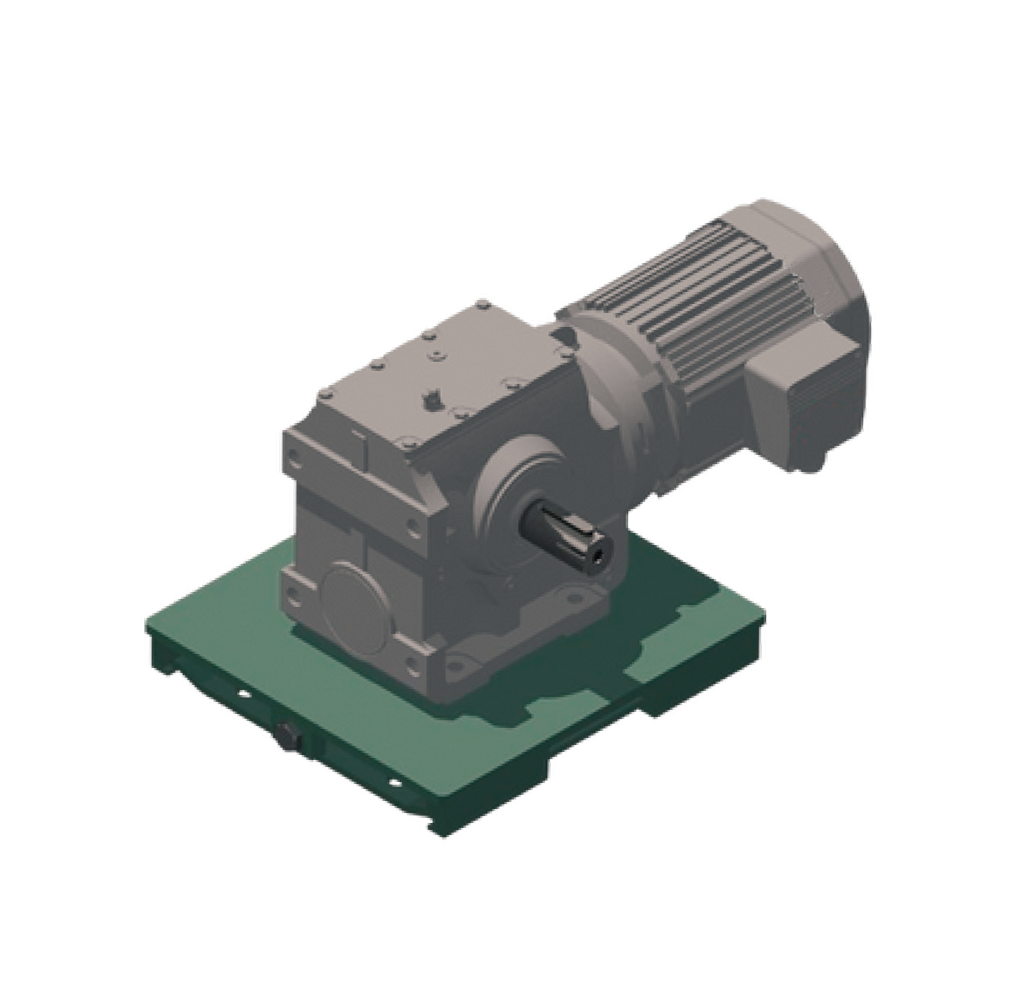
A shaft mounted gearbox is a gear reducer designed to mount directly onto the driven equipment’s shaft rather than being installed separately on a base and connected through an additional output coupling.
Like other speed reducers, the gearbox reduces the input speed from the motor while increasing available output torque. The difference lies primarily in how the reducer integrates with the equipment.
Instead of requiring a separate gearbox foundation and output coupling, the reducer mounts directly to the driven shaft. In many configurations, a torque arm anchors the gearbox housing and resists the reaction torque that would otherwise cause the reducer to rotate around the shaft. The terms “shaft mounted gearbox” and “shaft mount reducer” are often used to describe the same general equipment configuration.
What Does the Torque Arm Do?
A shaft mounted reducer still needs a way to resist the reaction torque created as the gearbox transmits power. In many conveyor applications, a torque arm connects the reducer housing to a rigid support point, preventing the gearbox from rotating while allowing the output shaft to drive the conveyor.
Torque arm position, attachment, and support must follow the reducer manufacturer’s installation requirements, particularly in applications involving shock loads or high starting torque.
Why Shaft Mounted Gearboxes Work Well for Conveyors
Conveyor drive systems benefit from layouts that are compact, mechanically straightforward, and practical to service.
A shaft mounted gearbox addresses several of those requirements at the same time.
Direct Connection to the Driven Shaft
Mounting the reducer directly onto the conveyor shaft reduces the number of components needed between the gearbox and driven equipment.
Fewer connection points can simplify the overall drive arrangement and reduce some of the alignment requirements associated with separately mounted reducers and output couplings.
For conveyors with limited available space around the drive, this compact configuration can also make equipment layout easier.
Increased Torque at the Required Conveyor Speed
Electric motors typically operate much faster than conveyor shafts need to turn.
The shaft mount reducer lowers motor input speed and provides higher output torque as speed is reduced before transferring power to the conveyor shaft. This allows the conveyor to move material at the required operating speed while providing the torque needed for the load.
Correct reducer sizing remains important. Conveyor loading, starting torque, operating speed, duty cycle, and shock loading all influence the appropriate gearbox selection.
Simplified Equipment Layout
Because the gearbox mounts directly to the driven shaft, designers can avoid creating a separate support structure solely for the reducer in some configurations.
This can be particularly useful for material handling equipment where space around the conveyor head shaft is restricted or where a relatively compact drive package is preferred.
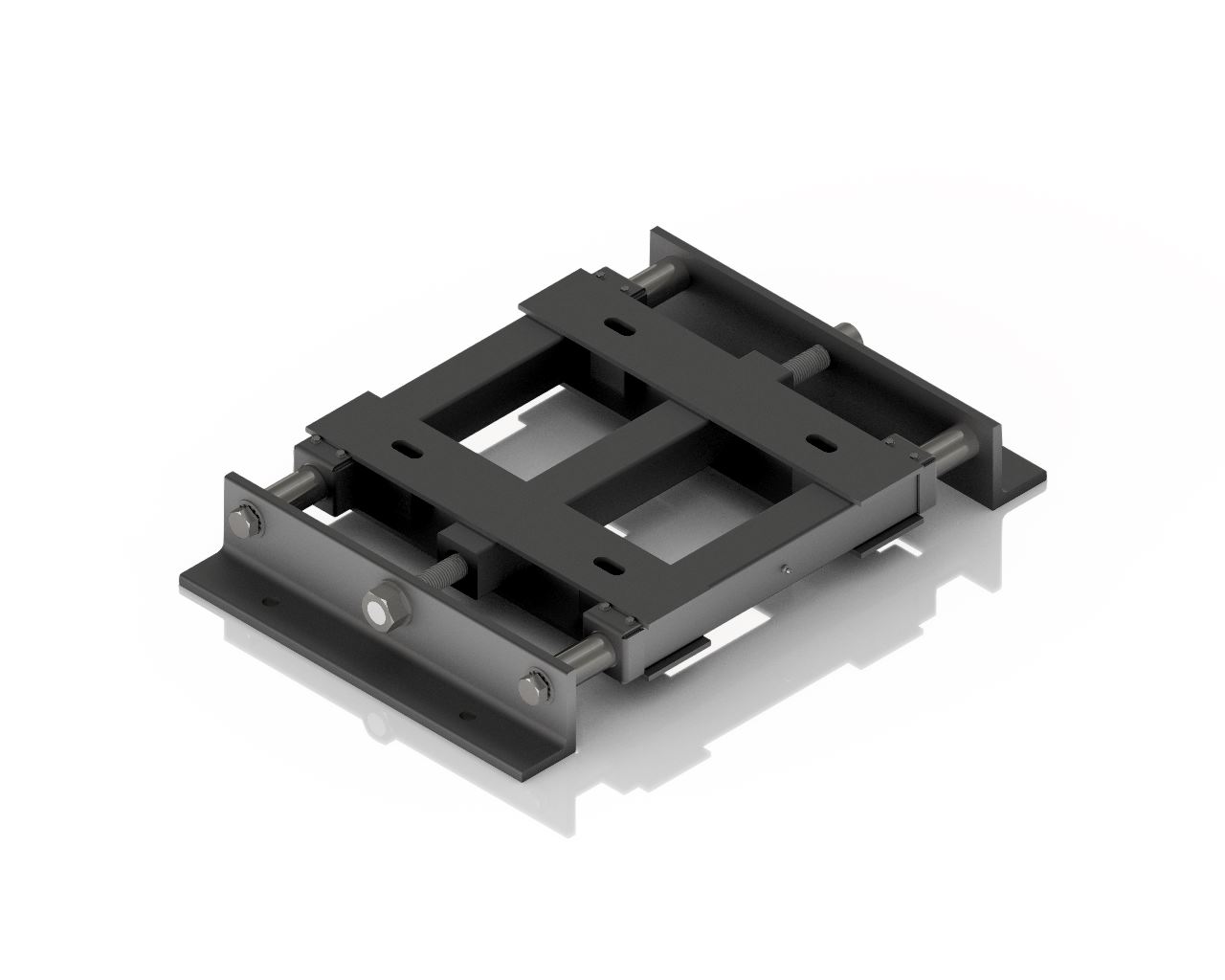
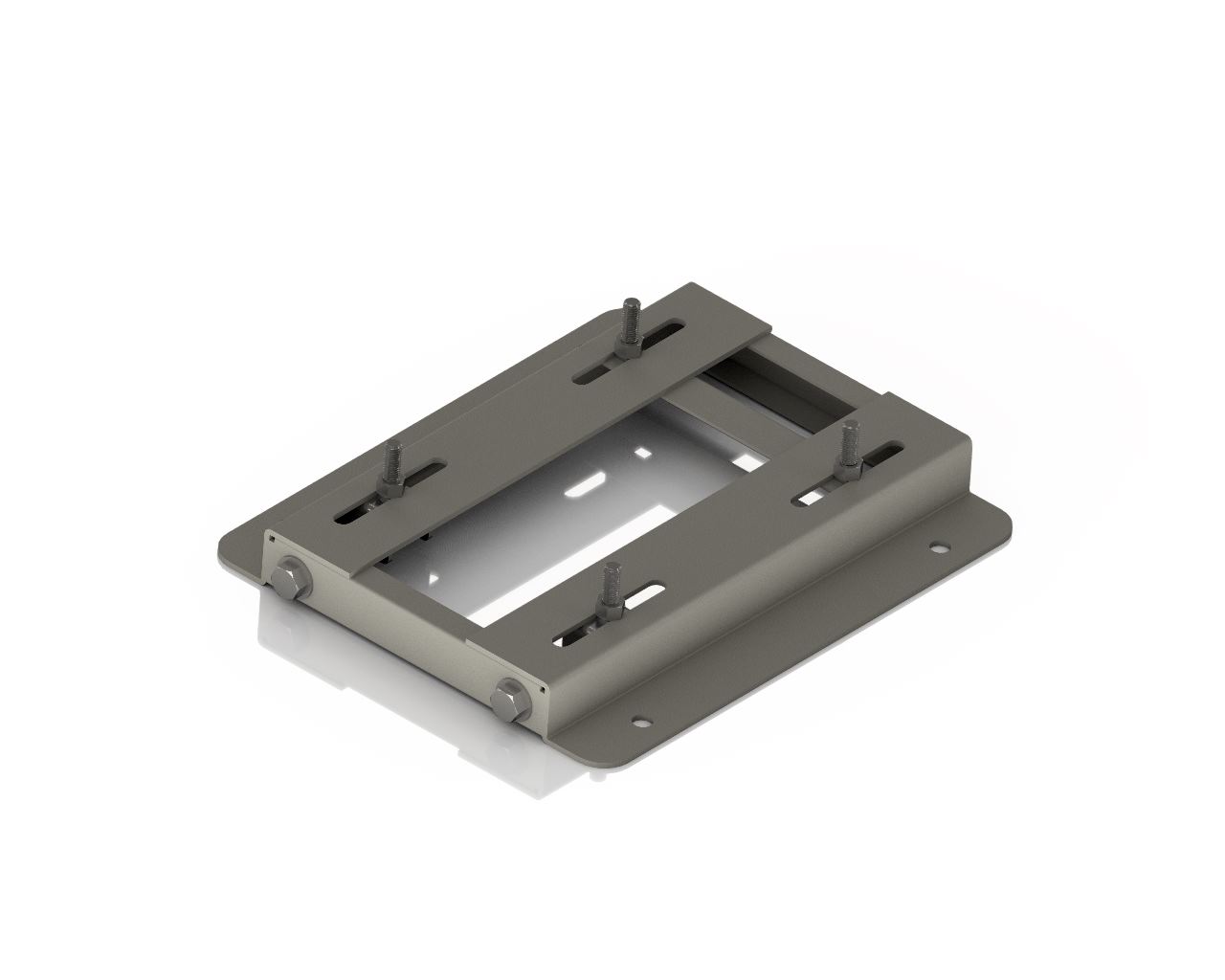
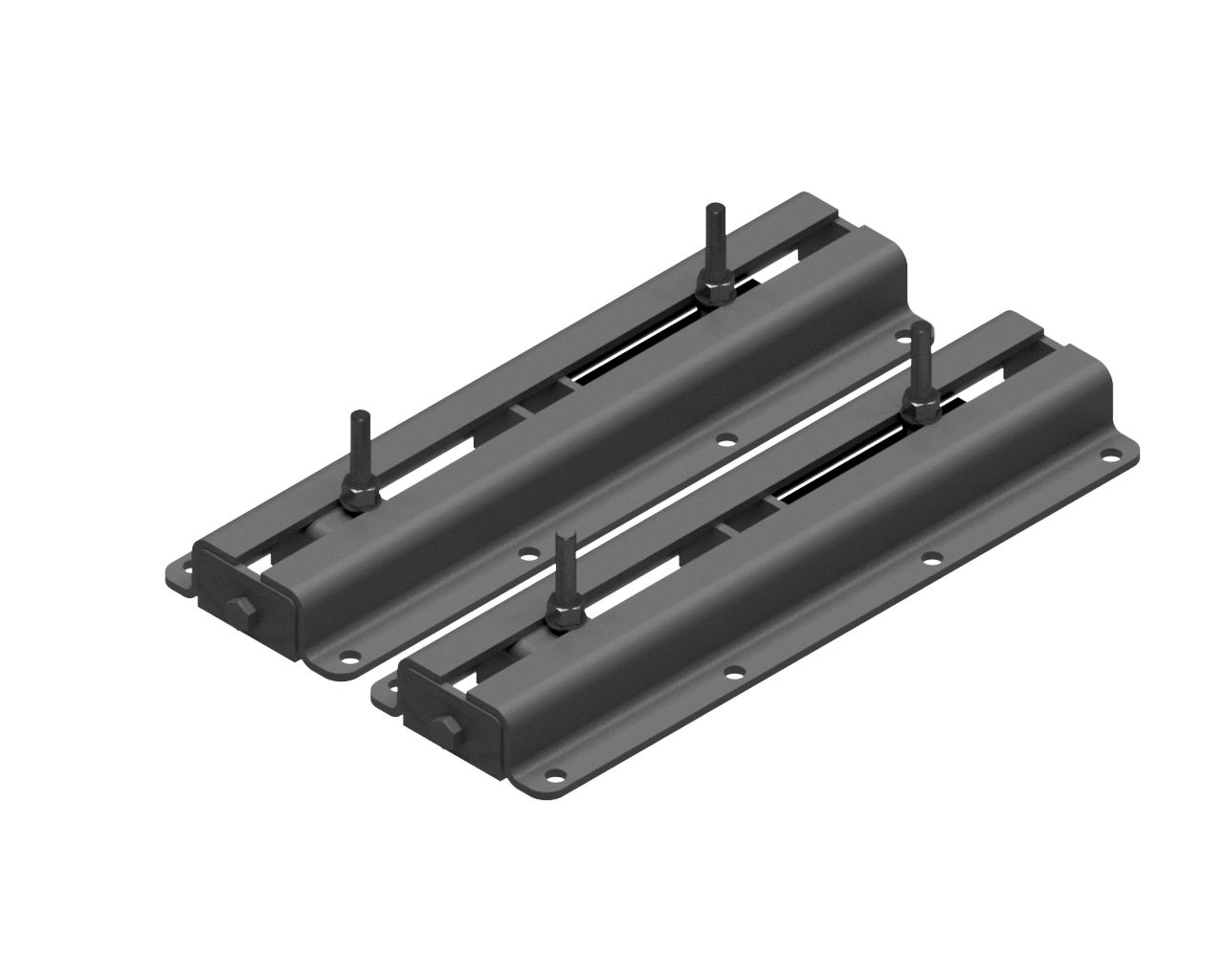
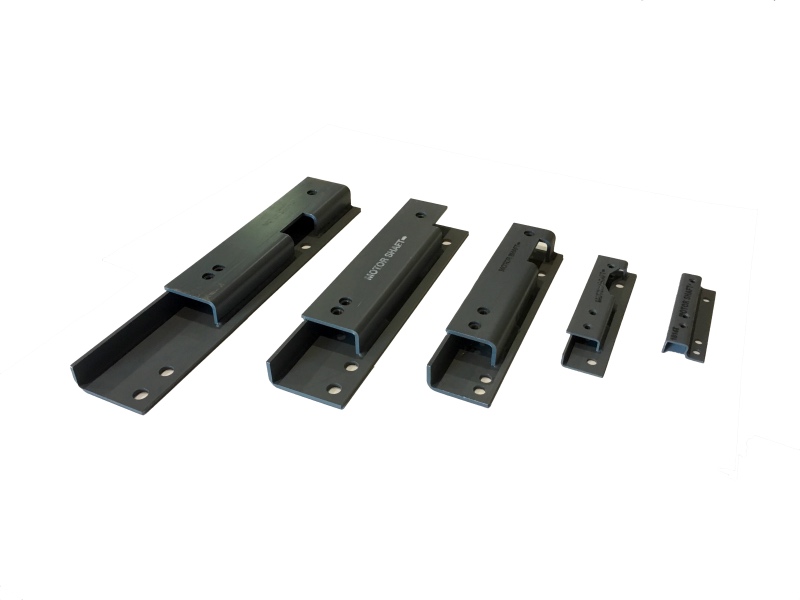
The driven shaft, bearings, and surrounding structure must also be suitable for the loads created by the shaft-mounted arrangement. A reducer motor mount supports the motor in relation to the gearbox while also providing the adjustment needed to establish proper belt tension, allowing both components to function as one integrated drive assembly.
Common Shaft Mount Reducer Applications
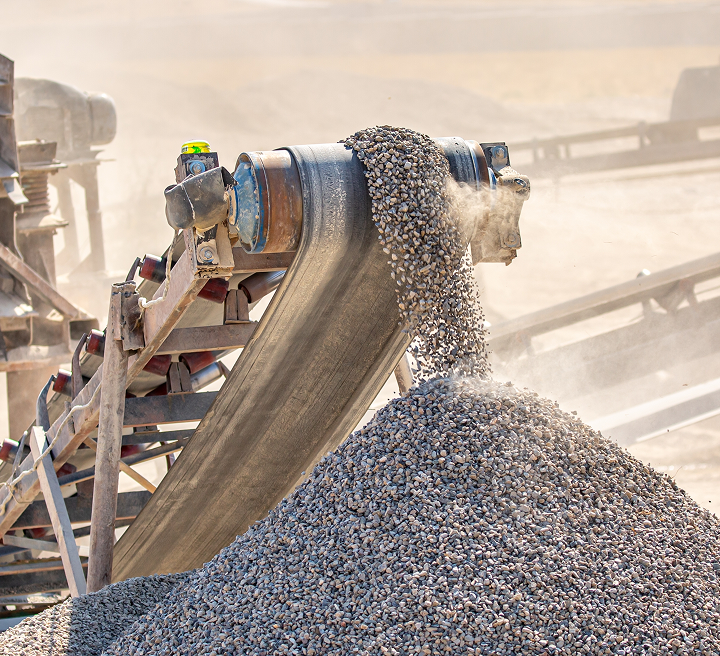
This equipment is widely associated with conveyor and bulk material handling systems because these applications often benefit from direct mounting and compact drive arrangements.
Common applications include:
- Belt conveyors
- Screw conveyors
- Aggregate handling systems
- Bucket elevators
- Grain and agricultural conveyors
- Bulk material handling equipment
- Processing equipment
- Recycling systems
- Industrial conveying systems
Operating conditions can vary significantly between these applications. A conveyor handling packaged products inside a facility has very different loading and environmental requirements than a conveyor moving aggregate, grain, or other bulk materials.
Gearbox size, ratio, service factor, motor configuration, mounting, and surrounding drive components should all be selected according to the specific application.
Installation Advantages of a Shaft Mounted Gearbox
Installation is one of the primary reasons engineers may choose a shaft mount reducer.
A conventional gearbox installation may require a dedicated mounting base, precise positioning relative to the driven equipment, and a coupling between the gearbox output shaft and machine shaft.
A shaft mounted configuration removes some of those elements by installing the reducer directly on the driven shaft.
This can provide several practical advantages:
- Fewer components between the gearbox and driven equipment
- Reduced need for output shaft coupling alignment
- A compact drive arrangement
- Easier integration into many conveyor layouts
- Fewer dedicated gearbox mounting requirements
These advantages do not remove the need for careful installation. Proper shaft fit, reducer support, motor positioning, guarding, and belt alignment remain important to long-term system performance.
Motor Mounting Still Matters
Although the gearbox is mounted directly to the equipment shaft, the motor generally requires its own mounting system.
In a belt-driven shaft reducer arrangement, the motor mount determines the motor’s position relative to the gearbox pulleys. That relationship directly affects belt alignment and the ability to establish proper belt tension.
Improper or inconsistent belt tension can contribute to belt slippage, uneven wear, excessive bearing loads, heat, and more frequent maintenance.
For this reason, the motor mounting arrangement should be treated as part of the complete shaft reducer drive system rather than simply as a structure that holds the motor.
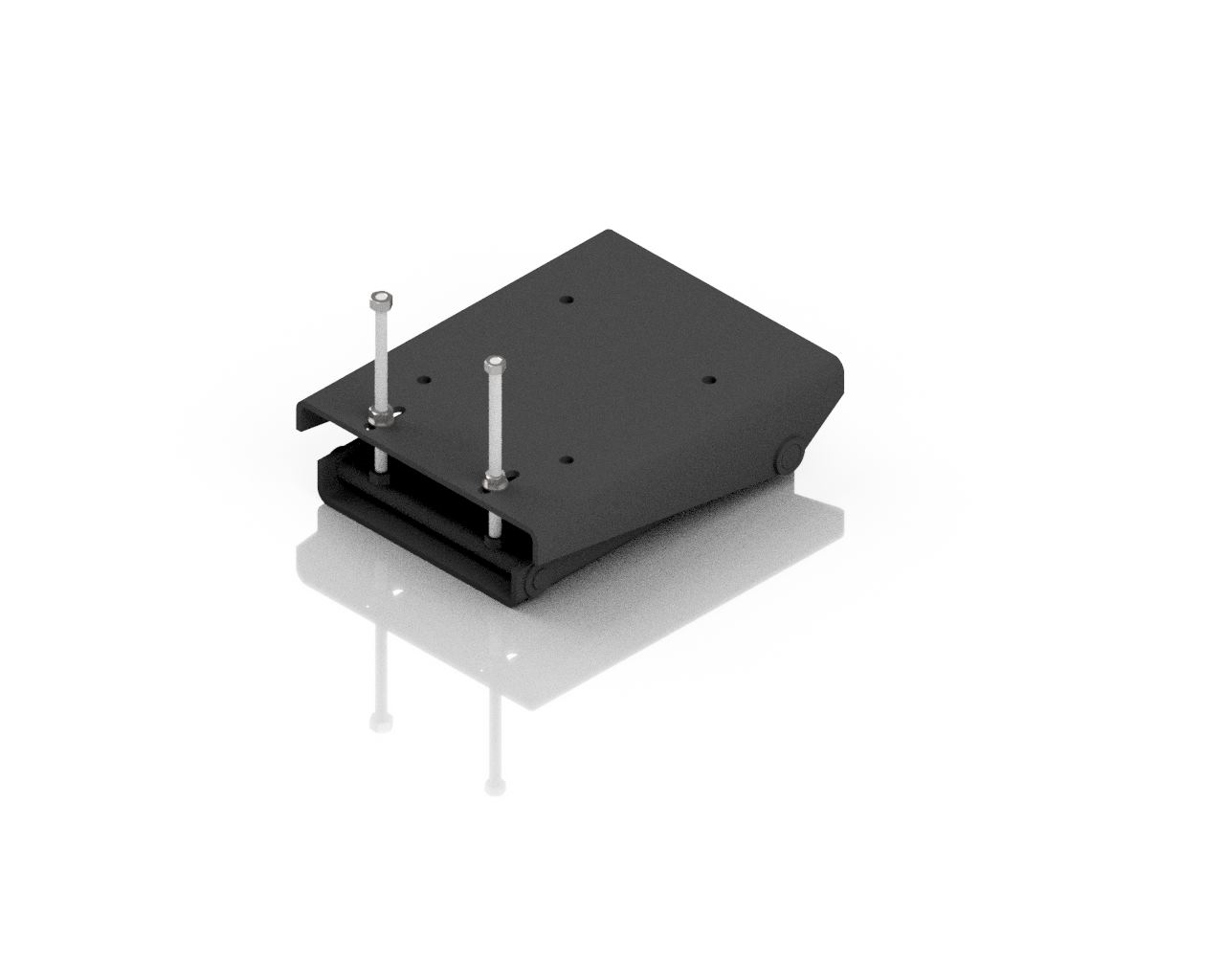
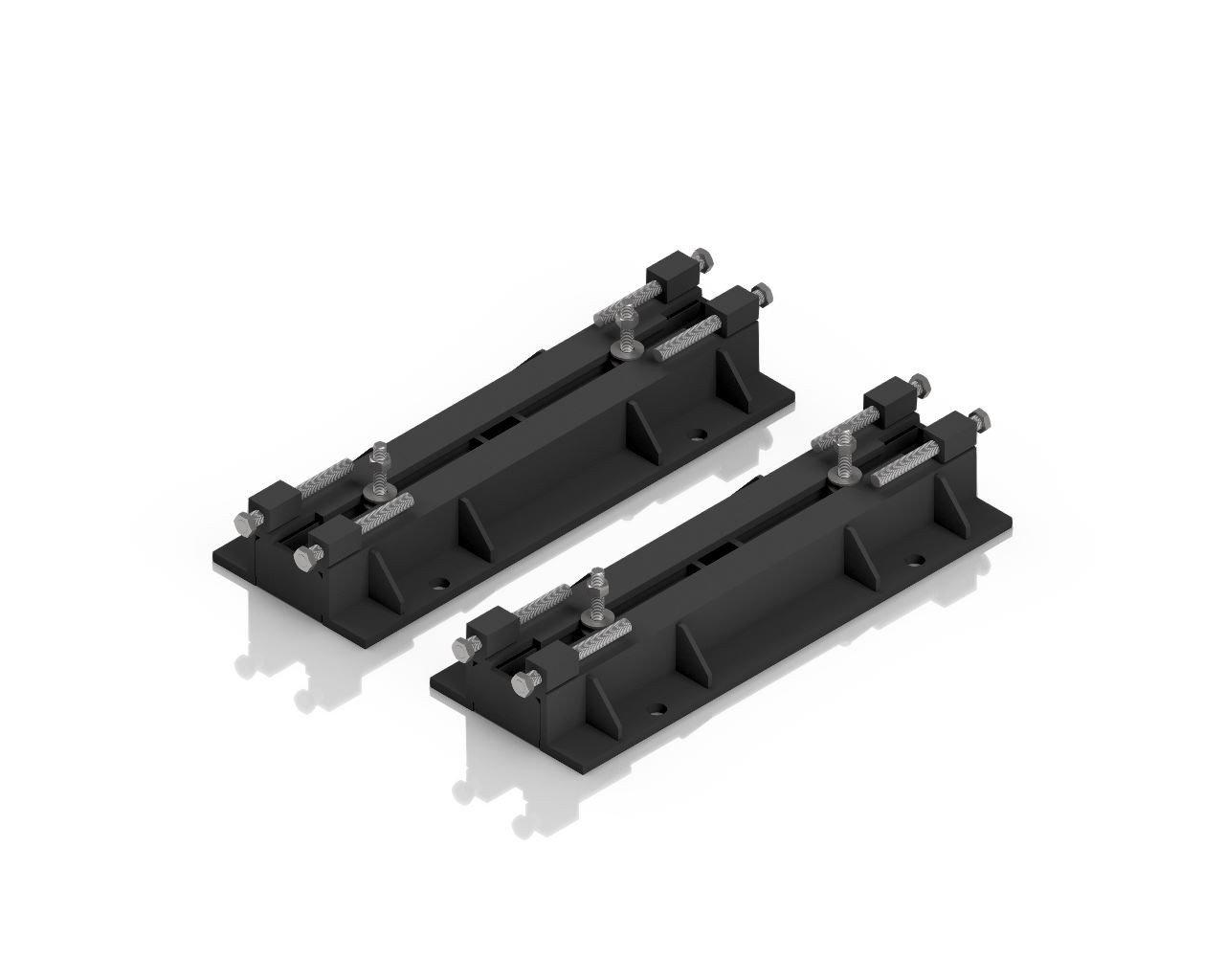
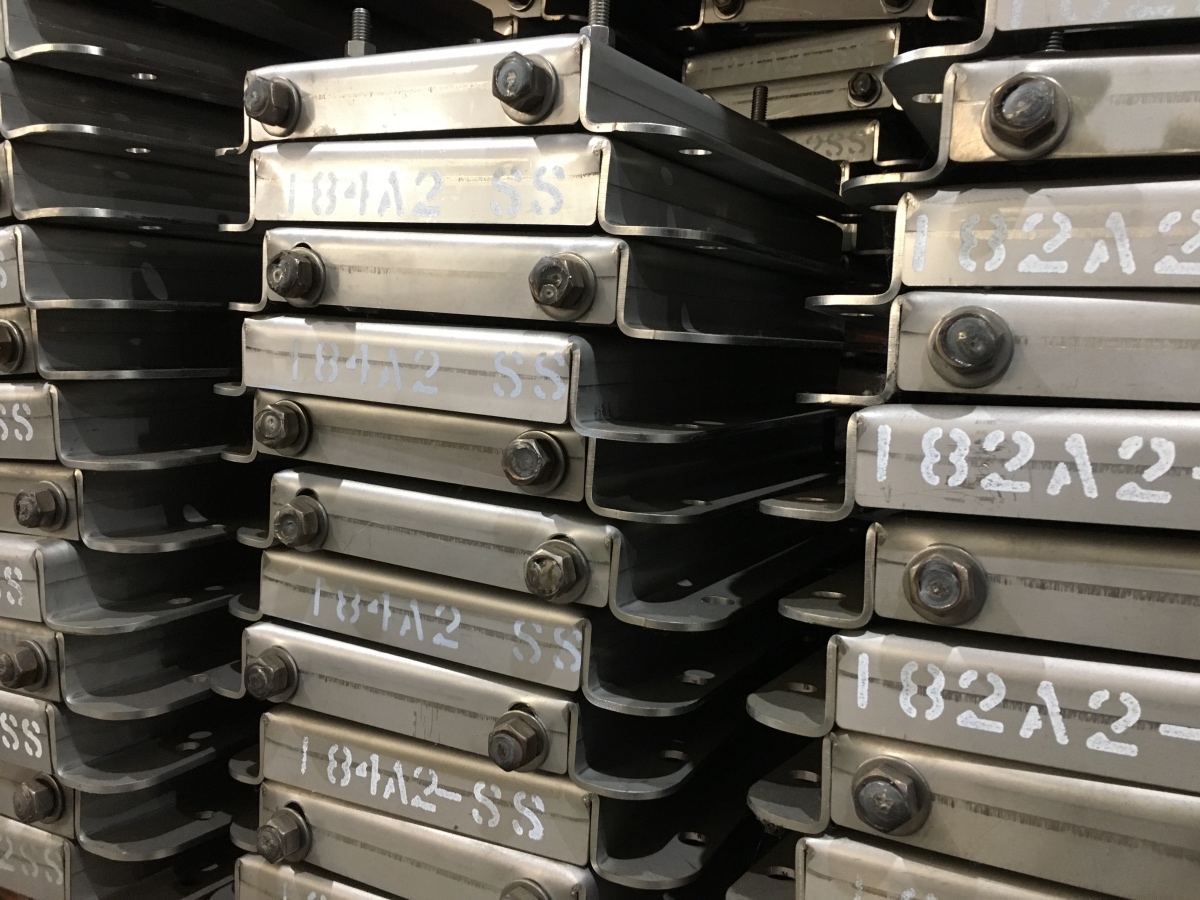
Overly Hautz manufactures motor mounting systems specifically for shaft-mounted reducers, including reducer motor mounts and Automatic® Reducer Motor Mounts designed to support motor positioning and belt tension control in belt-driven applications.
Maintenance Considerations for Shaft Mounted Gearboxes
The relatively straightforward layout of a shaft mounted gearbox can reduce some installation complexity, but routine maintenance remains essential.
Maintenance teams should follow the gearbox manufacturer’s requirements for lubrication, inspection, and service intervals while also monitoring the surrounding drive system.
Important areas to inspect include:
Lubrication
Proper lubrication protects gears and bearings from excessive friction and wear. Lubricant condition, level, and change intervals should follow the reducer manufacturer’s specifications and account for operating environment and duty cycle.
Belt Tension
For belt-driven configurations, belt tension should be inspected as the system operates over time.
Belts seat and wear, loads change, and components experience normal wear over time. These changes can move a drive away from its intended operating condition, making proper tension critical to efficient power transmission and reducing unnecessary stress on belts, pulleys, and bearings.
Alignment
Motor positioning and pulley or sheave alignment should be checked during installation and after maintenance that affects component positioning.
Proper alignment helps belts track correctly and distributes loads more consistently across drive components.
Mounting Hardware
Vibration, shock loads, and continuous operation can affect mounting hardware. Fasteners, support components, torque arm (TA) assemblies, and motor mounting hardware should be included in routine inspections.
Guards and Maintenance Access
Belt-driven systems also require proper guarding. Designs that allow reasonable access to belts, pulleys, mounting hardware, and adjustment points can simplify routine inspection and service.
Where appropriate, integrated reducer motor mount and belt guard systems can also simplify installation and maintenance access.
Consider the Complete Drive System
Selecting a shaft mounted gearbox involves more than choosing a gear ratio. Engineers should evaluate how the reducer, motor, motor mount, driven shaft, belts, pulleys, and surrounding structure will operate together.
Important considerations include:
- Required output speed and torque
- Motor horsepower and duty cycle
- Starting loads, shock and vibration
- Shaft size, configuration, and bearing capacity
- Torque arm (TA) requirements
- Available mounting space
- Environmental conditions
- Belt drive and motor mounting requirements
- Maintenance access
Considering these factors together can help avoid a drive arrangement that works on paper but creates unnecessary installation or maintenance challenges in operation.
Build a More Practical Shaft Reducer Drive System
Overly Hautz is a premier designer and manufacturer of mounting systems for the power transmission industry, including motor mounting solutions engineered specifically for shaft-mounted speed reducers.
The Overly Hautz Reducer Motor Mount Assembly is compatible with Dodge® Torque-Arm® and Torque-Arm II (TA II) reducers and provides secure motor positioning and belt tension adjustment for conveyor, screw conveyor, bulk material handling, and other industrial drive systems.
Whether you’re specifying a new conveyor drive or replacing an existing shaft reducer arrangement, Overly Hautz can help provide the stable, adjustable foundation needed to integrate the motor, reducer, and belt drive as a complete system. Reach out to our team or request a quote for an application-specific mounting solution.