



If you’ve ever researched industrial power transmission equipment, you’ve likely encountered the terms “gear reducer” and “gearbox” being used interchangeably. While they are closely related, they are not always the same thing.
Understanding the difference helps engineers, maintenance professionals, and equipment designers select the right components for new equipment, replacement projects, and long-term maintenance planning.
In this guide, we’ll explain what a gear reducer is, how it differs from a gearbox, the most common types available, and where shaft mount gear reducers fit into industrial applications.
What Is a Gear Reducer?
A gear reducer is a mechanical device designed to reduce the rotational speed of an electric motor while increasing output torque. It accomplishes this through a series of gears that change the relationship between the motor’s input speed and the driven equipment’s output speed.
For example, a motor operating at 1,800 RPM can be paired with a gear reducer to produce an output speed of 300 RPM while delivering significantly greater torque.
This allows industrial equipment to deliver higher torque without requiring oversized motors.
What Is a Gearbox?
A gearbox is a broader term that refers to an enclosed assembly containing gears that transmit mechanical power. Depending on the design and application, a gearbox may:
- Reduce speed
- Increase speed
- Change torque
- Change shaft direction
- Transfer power between shafts
In many industrial applications, the gearbox functions specifically as a speed reducer. When that happens, the gearbox is commonly referred to as a gear reducer.
Think of it this way:
Every gear reducer is a type of gearbox.
Not every gearbox is used strictly as a gear reducer.
Although the distinction exists technically, manufacturers and maintenance professionals frequently use both terms interchangeably.
Why Gear Reducers Are Important
Electric motors are designed to operate efficiently at relatively high speeds. Industrial machinery, however, often requires slower speeds and greater torque to move products, lift loads, or process materials.
A gear reducer bridges that gap by:
- Lowering output speed
- Increasing available torque
- Improving equipment control
- Match motor speed and torque to driven equipment
- Supporting efficient power transmission
Without gear reduction, many industrial machines simply could not perform their intended function.
Common Types of Gear Reducers
Several gear reducer designs are available, each offering advantages depending on the application.
Helical Gear Reducers
Helical gears feature angled teeth that engage gradually, resulting in quiet operation, high efficiency, and excellent load capacity.
Common applications include:
- Conveyors
- Packaging equipment
- Industrial processing systems
- Manufacturing machinery
Worm Gear Reducers
Worm gear reducers provide large speed reductions within a compact footprint.
They’re commonly selected for:
- Material handling
- Lifting equipment
- Gates
- Food processing equipment
- Positioning applications
Their compact right-angle configuration and ability to achieve relatively high reduction ratios make worm reducers useful in many positioning and material-handling applications.
Bevel Gear Reducers
Bevel gear reducers transfer power between intersecting shafts, typically at 90-degree angles.
Typical uses include:
- Agricultural equipment
- Heavy machinery
- Mining equipment
- Material handling systems
Planetary Gear Reducers
Planetary reducers distribute loads across multiple planet gears, making them ideal for applications requiring high torque and compact packaging.
Common industries include:
- Robotics
- Aerospace
- Automation
- Heavy industrial equipment
Shaft Mount Gear Reducers
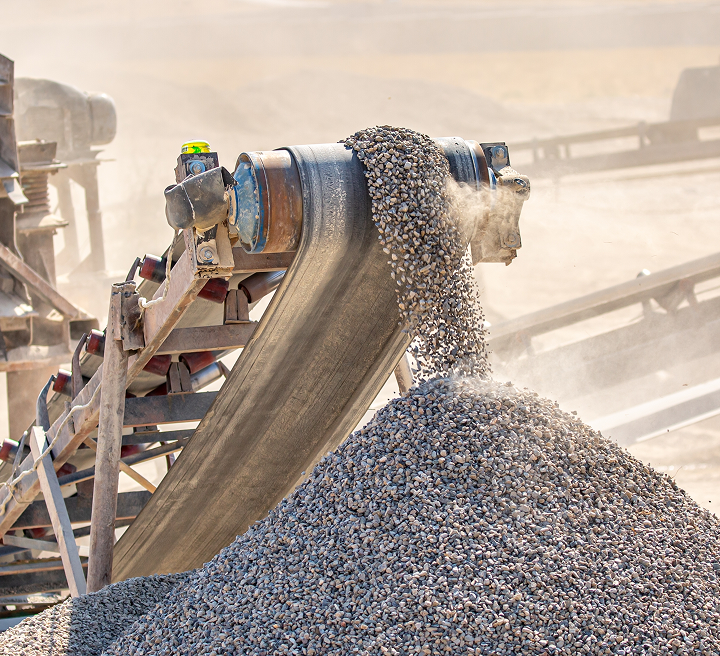
A shaft mount gear reducer is one of the most common solutions for conveyor systems and bulk material handling equipment.
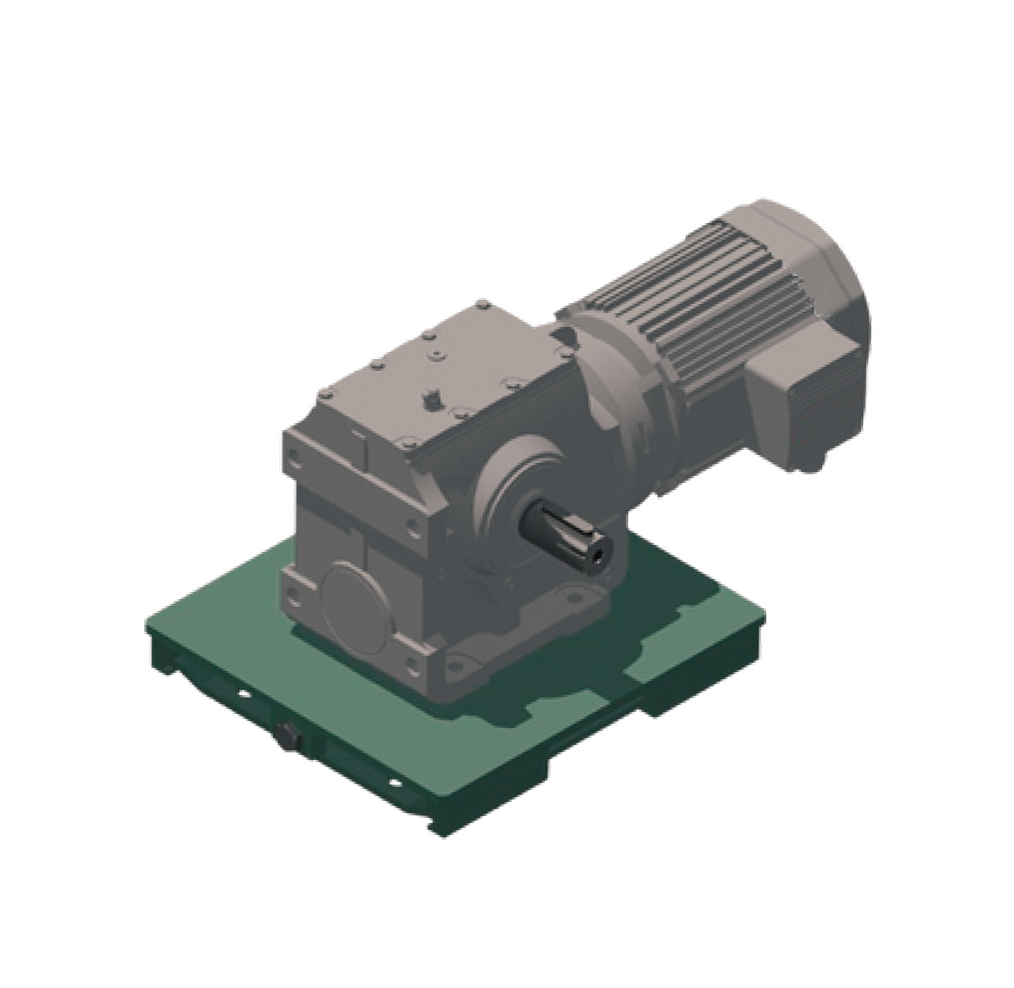
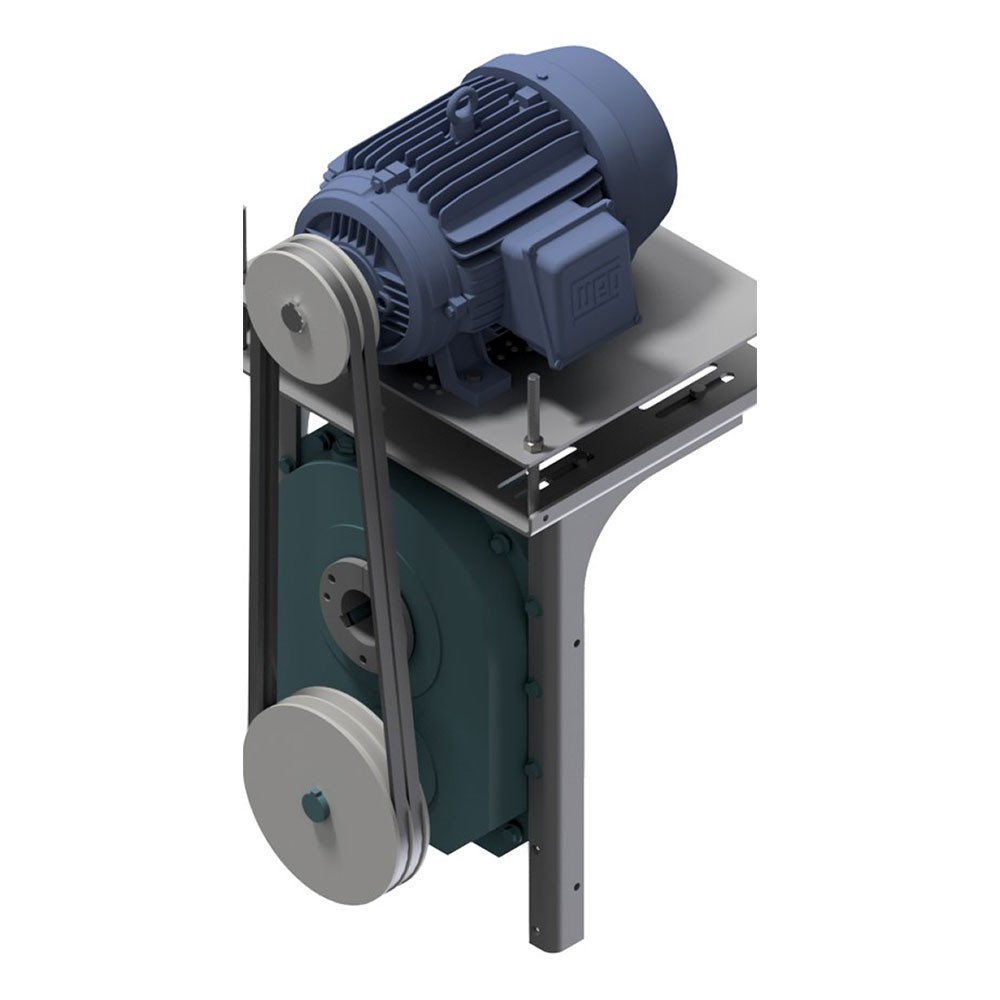
Unlike traditional foot-mounted gearboxes, shaft mount reducers mount directly onto the driven shaft, which can simplify the drive arrangement.
Most shaft mount gear reducers use a torque-arm to resist the reaction forces generated during operation. Proper support of both the reducer and motor helps maintain alignment, manage belt tension where applicable, and promote long-term reliability.
They’re commonly used on:
- Aggregate conveyors
- Mining equipment
- Grain handling systems
- Packaging conveyors
- Recycling facilities
- Material handling equipment
Because of their compact design and simplified installation, shaft mount gear reducers are often selected for conveyor applications where space is limited and reliability is essential.
Choosing the Right Gear Reducer
Selecting the appropriate gear reducer involves more than matching a gear ratio.
Engineers should evaluate factors such as:
- Required output torque
- Desired operating speed
- Motor horsepower
- Duty cycle
- Shock loading
- Environmental conditions
- Mounting configuration
- Shaft orientation
- Available installation space
- Service factor
- Overhung and thrust loads
Selecting an improperly sized or configured reducer can lead to premature wear, overheating, increased maintenance, or reduced equipment performance.
Working with experienced power transmission specialists helps ensure every component is properly matched to the application.
Proper Installation and Alignment Still Matter
Even a properly selected gear reducer can experience premature wear or reduced performance if the drive system isn’t installed and supported correctly.
Proper installation should account for factors such as:
- Reducer mounting configuration
- Motor position
- Belt tension, where applicable
- Shaft loading
- Torque reaction
- Stability of the mounting system
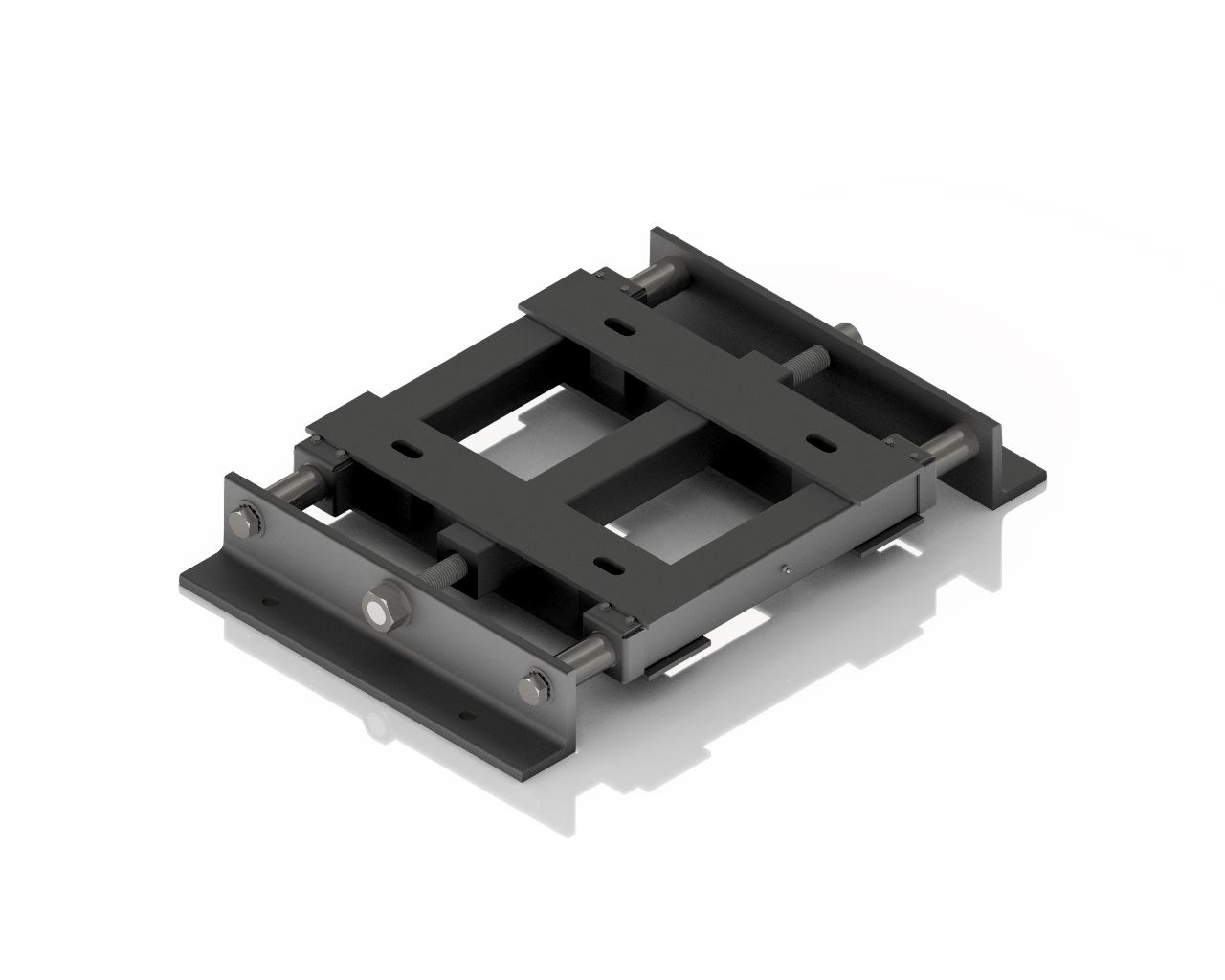
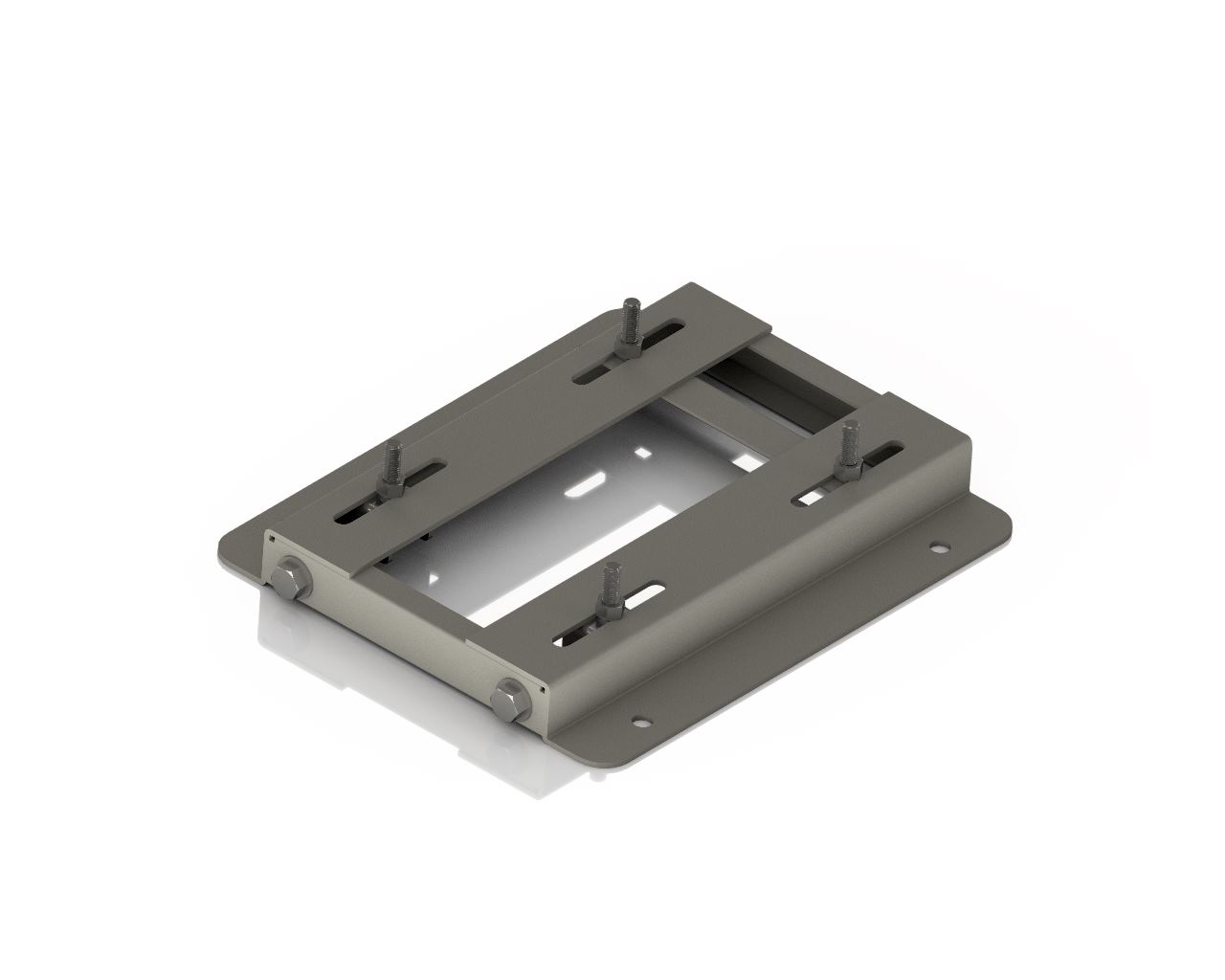
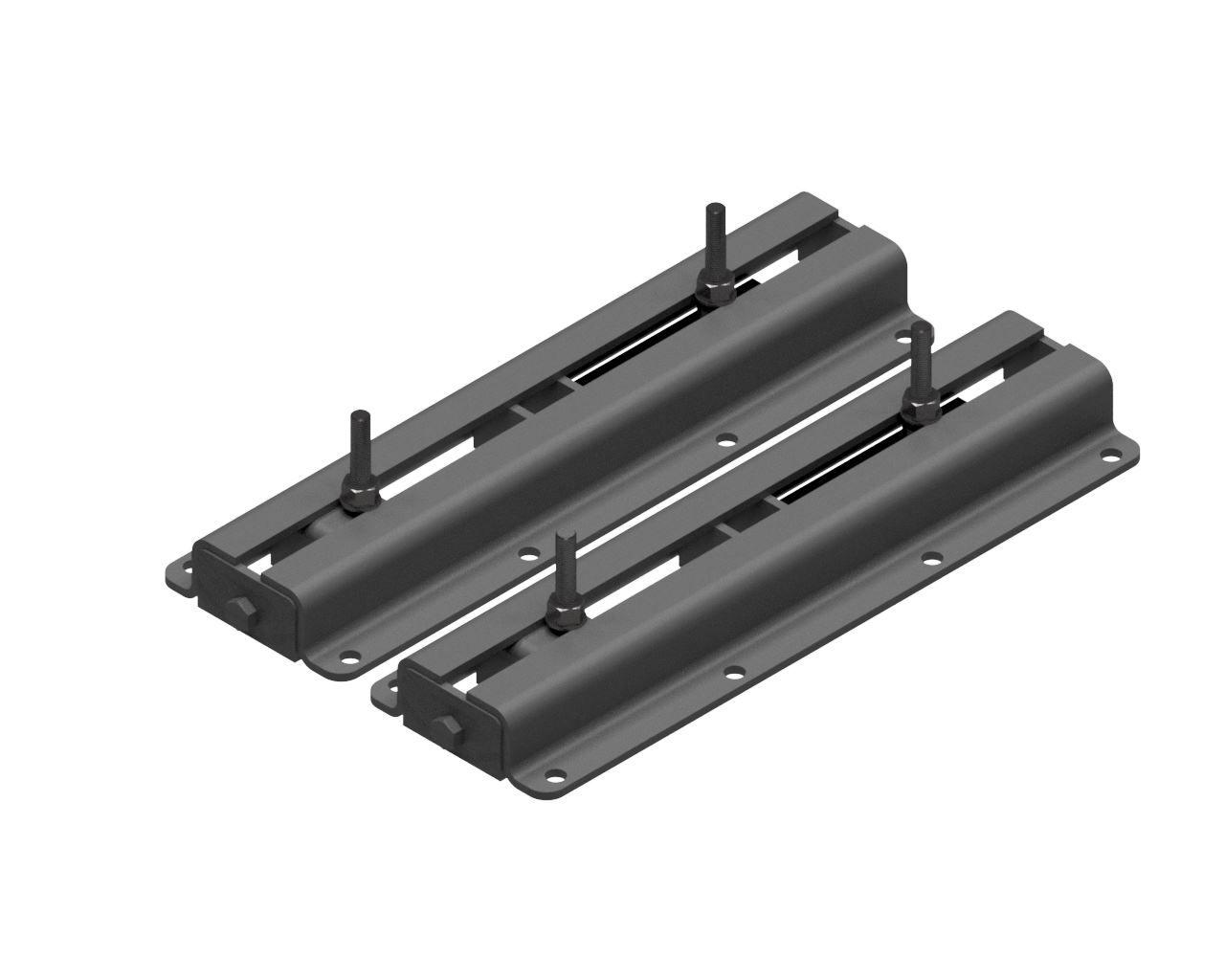
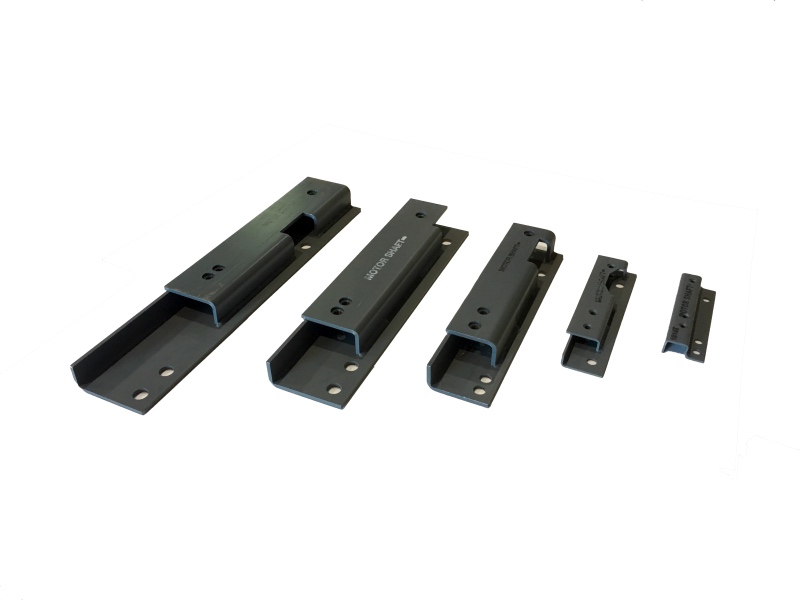
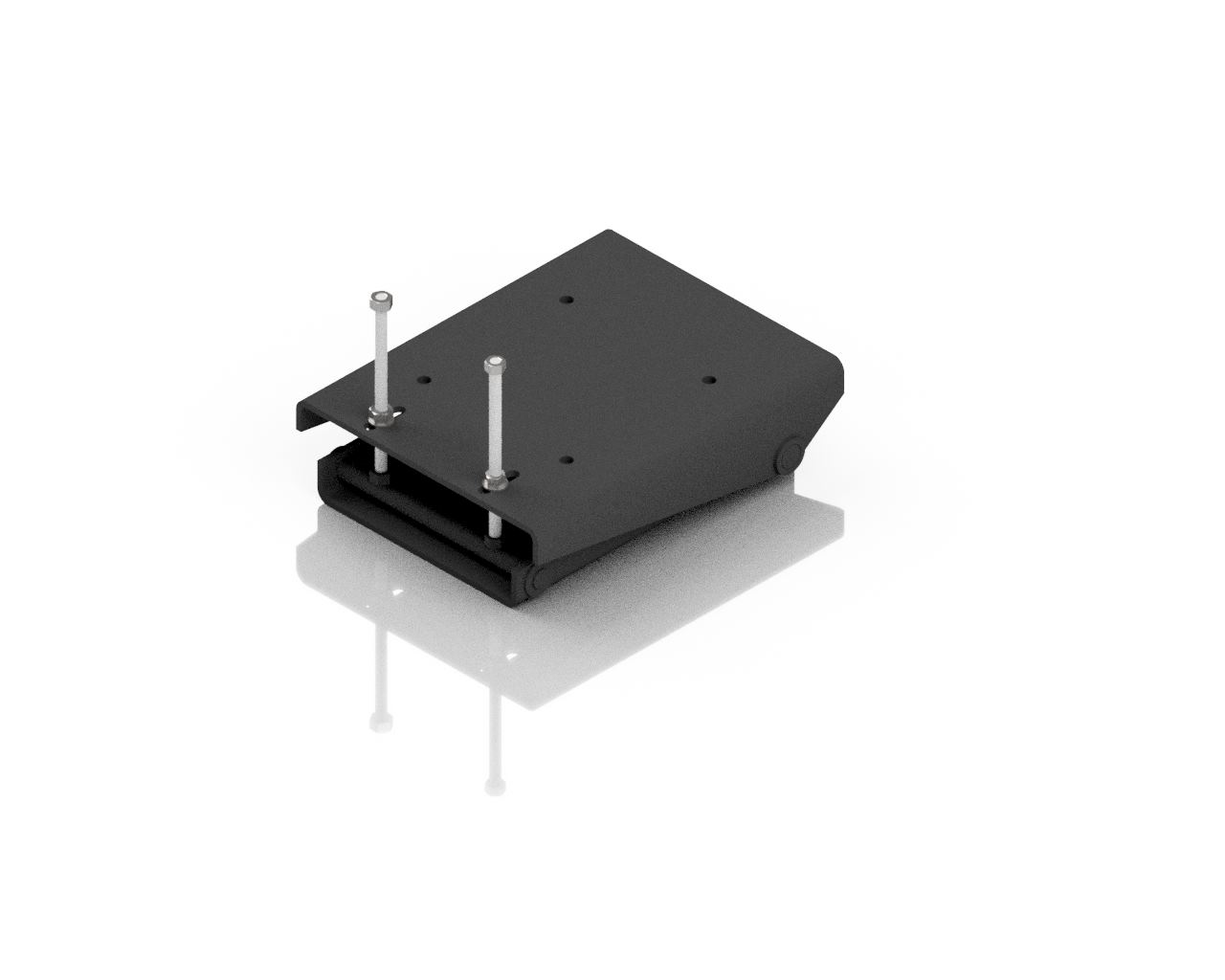
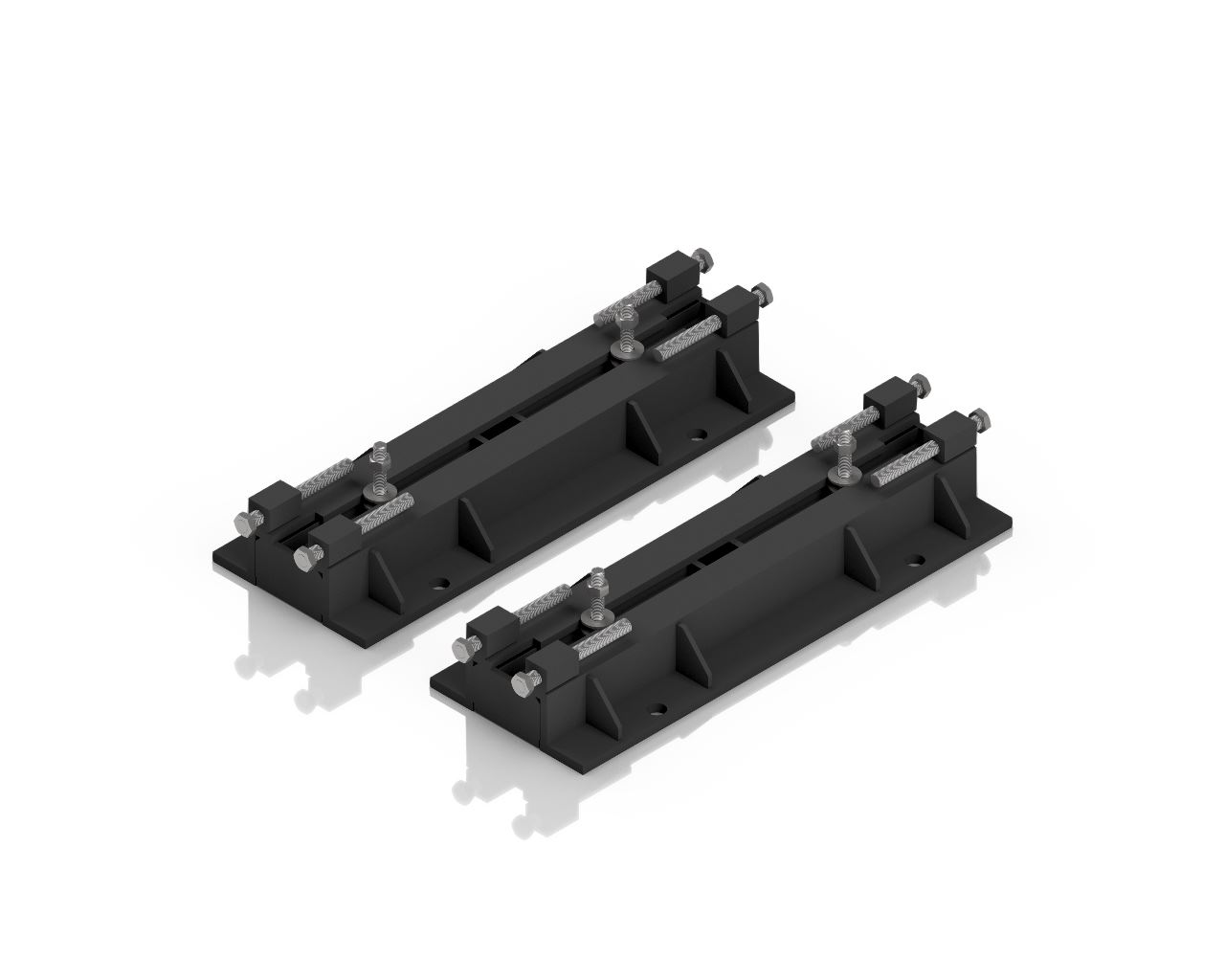
For belt-driven systems, a stable and adjustable motor mounting system helps position the motor correctly and makes it easier to establish and maintain proper belt tension.
A properly supported drive system can help improve reliability while making future maintenance and adjustments easier.
When Should a Gear Reducer Be Replaced?
Like any mechanical power transmission component, gear reducers eventually reach the end of their service life.
Common signs that replacement may be necessary include:
- Excessive or increasing vibration
- Unusual operating noise
- Oil leakage
- Elevated operating temperature
- Metal particles or contamination in lubricant
- Excessive backlash
- Recurring bearing or seal problems
- Reduced output performance
Routine inspections and preventive maintenance can often identify these issues before they result in costly production downtime.
Reliable Power Transmission Starts with the Right Foundation
While the terms “gear reducer” and “gearbox” are often used interchangeably, understanding how these components function helps engineers and maintenance teams make better decisions when designing, upgrading, or maintaining industrial equipment.
Reach out to the Overly Hautz team, and we can help improve the reliability of motor-driven systems with precision motor base and gearbox mounting solutions that support proper installation, simplified adjustment, and reliable power transmission performance.