






Motor and gearbox alignment starts with positioning each component correctly within the drive system. Shafts, couplings, pulleys, and other components all depend on that relationship to transfer power as intended.
Alignment discussions often focus on shafts, couplings, and installation procedures. The mounting system underneath the equipment matters, too. A stable motor and gearbox mounting foundation provides the positioning and adjustment needed to establish alignment and helps components remain where intended during operation.
For maintenance teams and engineers, that makes mounting an important consideration when installing, adjusting, or replacing power transmission equipment.
Why Motor and Gearbox Alignment Is Important
The motor, gearbox, and driven equipment operate as a connected system. Their relative positions influence how power moves from one component to the next.
The exact requirements depend on the drive configuration. A direct-coupled system requires the correct shaft and coupling relationships, while a belt-driven system also requires appropriate pulley alignment, center distance, and belt tension.
Gearbox alignment and motor positioning can support:
- Reliable power transfer through the drive
- Proper coupling or pulley relationships
- Consistent belt tracking and tension in belt-driven systems
- Reduced unnecessary loads on bearings and shafts
- More predictable equipment performance
- Longer service life for drive components
The mounting system establishes the physical position of the motor and gearbox, making it an important part of achieving and maintaining those relationships.
What Causes Motor and Gearbox Misalignment?
Alignment issues can arise during installation, equipment replacement, maintenance, and operation. Several conditions can contribute:
Soft foot or uneven mounting surfaces: When one or more equipment feet do not sit flat against the mounting surface, tightening the mounting bolts can affect machine position. The mounting surface may require leveling or shimming before final alignment.
Improper initial positioning: A motor or gearbox that is not positioned correctly relative to the driven equipment can create alignment problems from the beginning.
Inadequate mounting adjustment: If the mounting system does not provide sufficient controlled movement, technicians may have difficulty establishing the required position.
Equipment replacement: A replacement motor or industrial gearbox may have different dimensions, shaft locations, or mounting requirements than the equipment it replaces. These differences need to be addressed as part of the installation.
Mounting movement or instability: Operating loads and vibration can affect equipment position when the mounting arrangement does not provide adequate rigidity and stability.
Maintenance or component changes: Replacing a motor, gearbox, coupling, belt, pulley, or related component may change dimensional relationships within the drive. Alignment should be checked again when maintenance affects component positioning.
What Happens When Motors and Gearboxes Are Misaligned?
The effects of misalignment vary according to the drive configuration, equipment, and severity of the condition.
Depending on the system, poor alignment can contribute to:
- Increased vibration
- Premature bearing or coupling wear
- Uneven component loading
- Belt tracking or tension problems
- Additional heat and mechanical stress
- More frequent maintenance
- Reduced drive reliability
Correcting alignment requires more than identifying the problem. The motor and gearbox also need a stable foundation and sufficient adjustment to establish the correct positions.
This is where the design and condition of the mounting system become important.
How a Motor Mount Supports Alignment
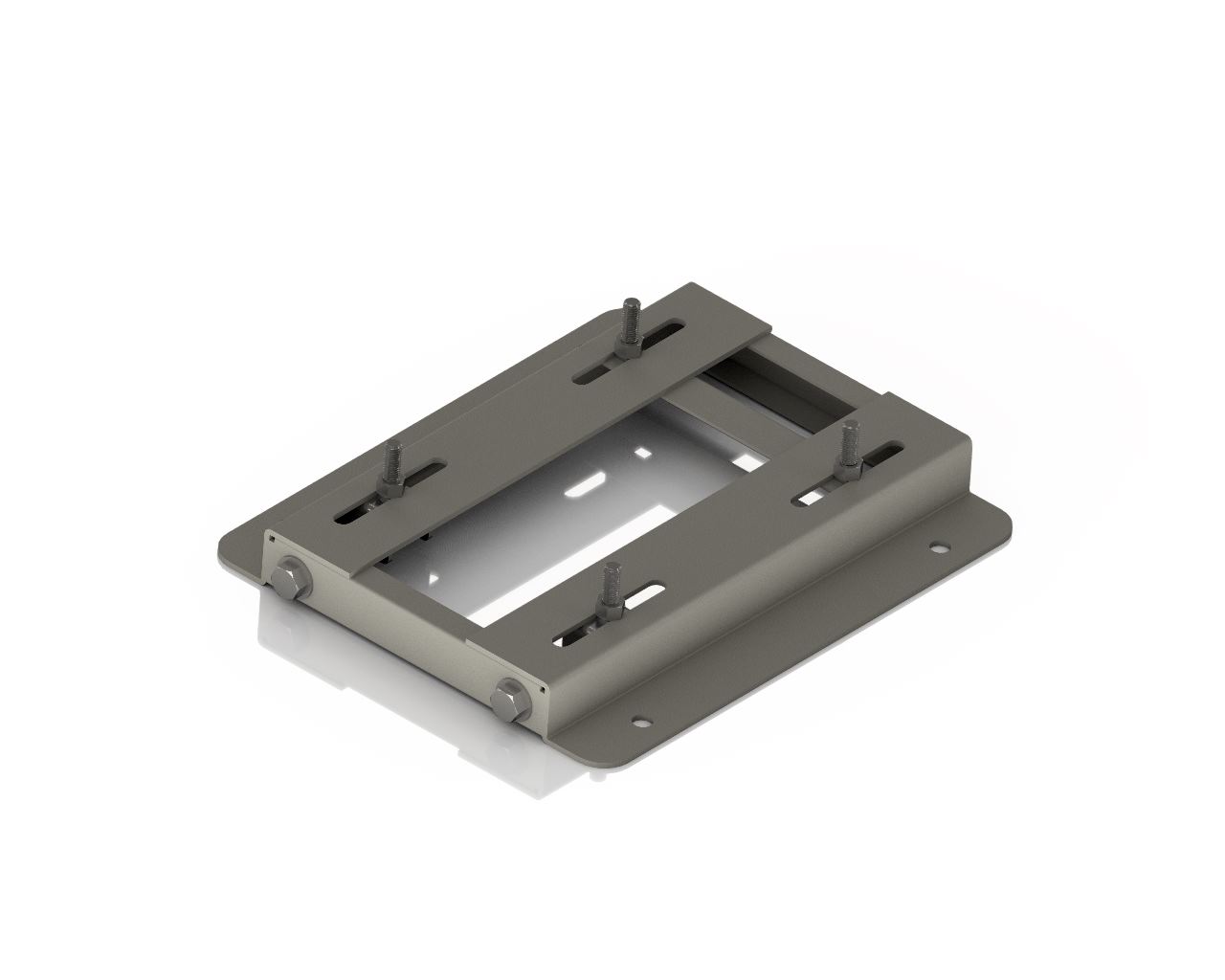
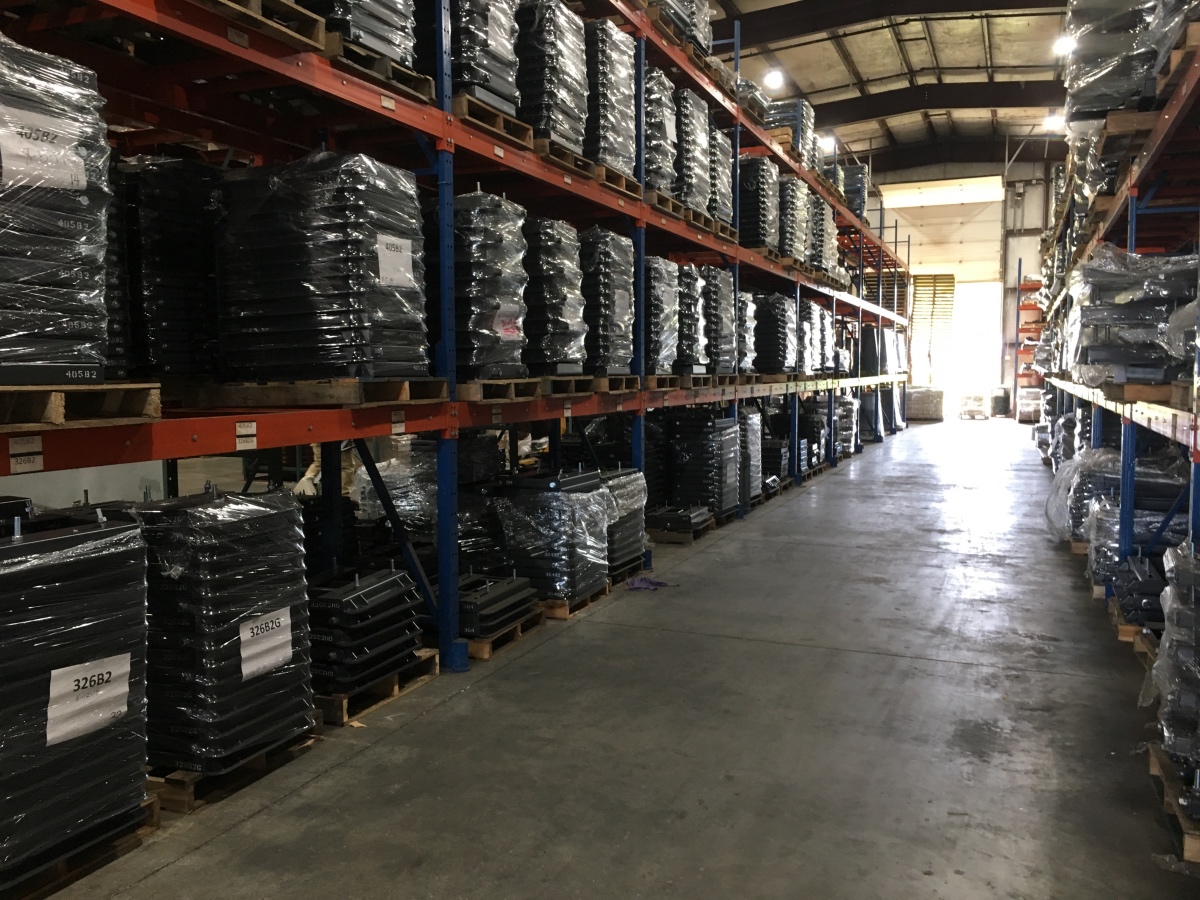
A motor mount or motor base provides the physical foundation used to position and support the motor.
For alignment purposes, it performs three important functions.
Positioning: The base establishes the motor’s location relative to the gearbox or other driven equipment.
Adjustment: Depending on its design, the base can provide controlled movement for establishing the necessary shaft, coupling, or pulley relationships.
Stability: Once the correct position has been established, the mounting system helps hold the motor where intended.
Motor base selection therefore affects how motor positioning and drive performance are managed over the life of the system. The required base depends on factors such as motor size, drive configuration, adjustment requirements, operating loads, and application conditions.
How Adjustable Bases Support Alignment and Simplify Adjustment
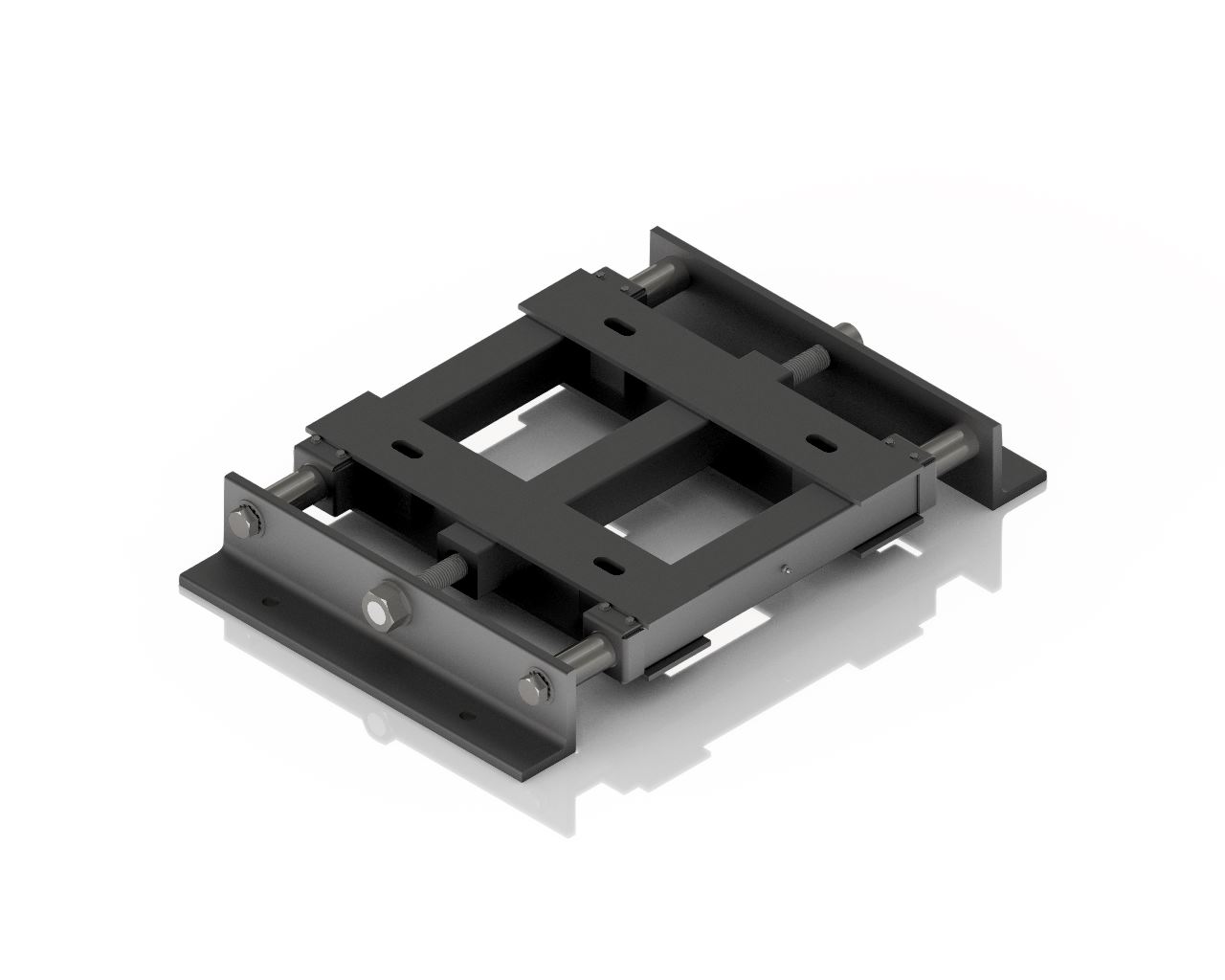
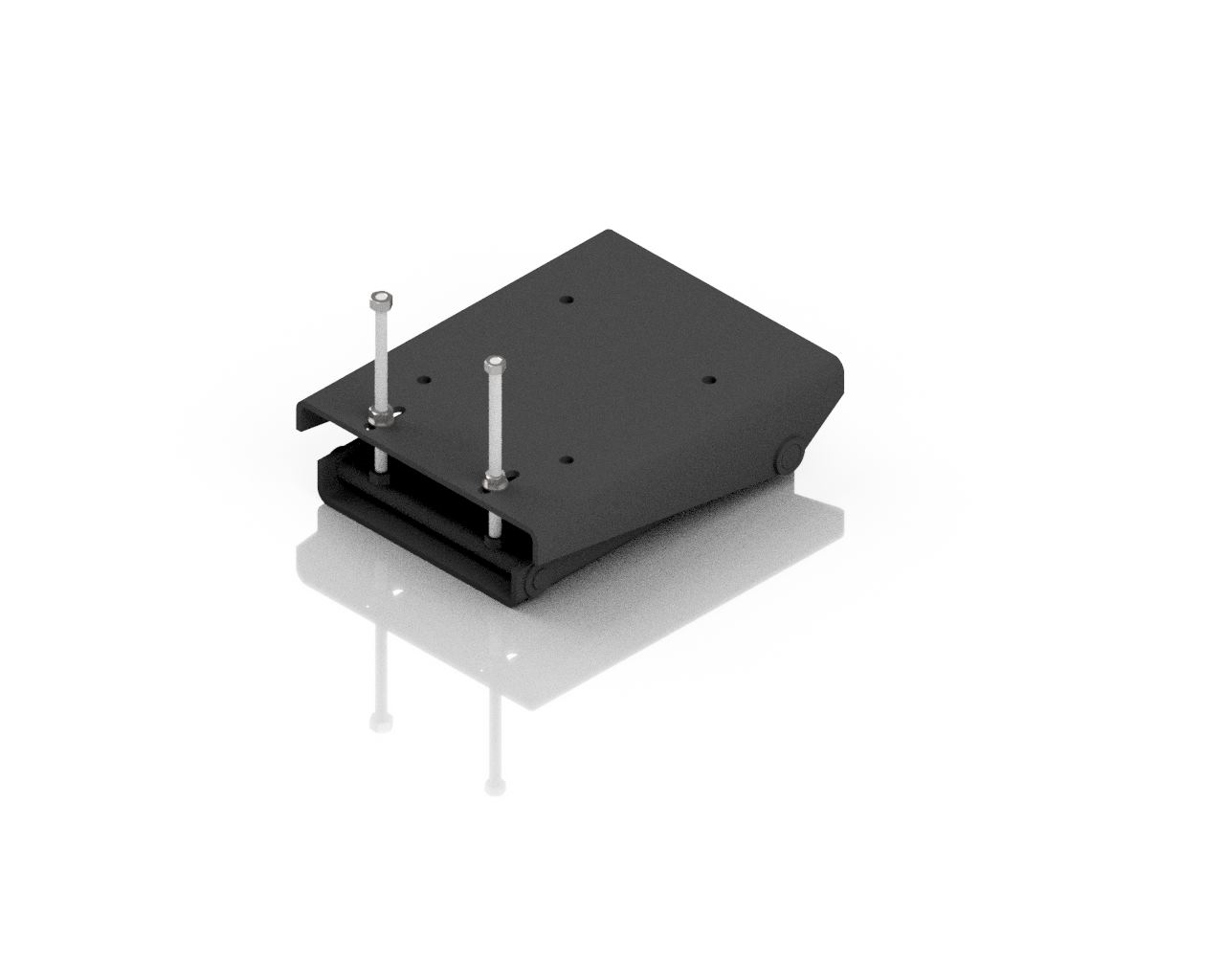
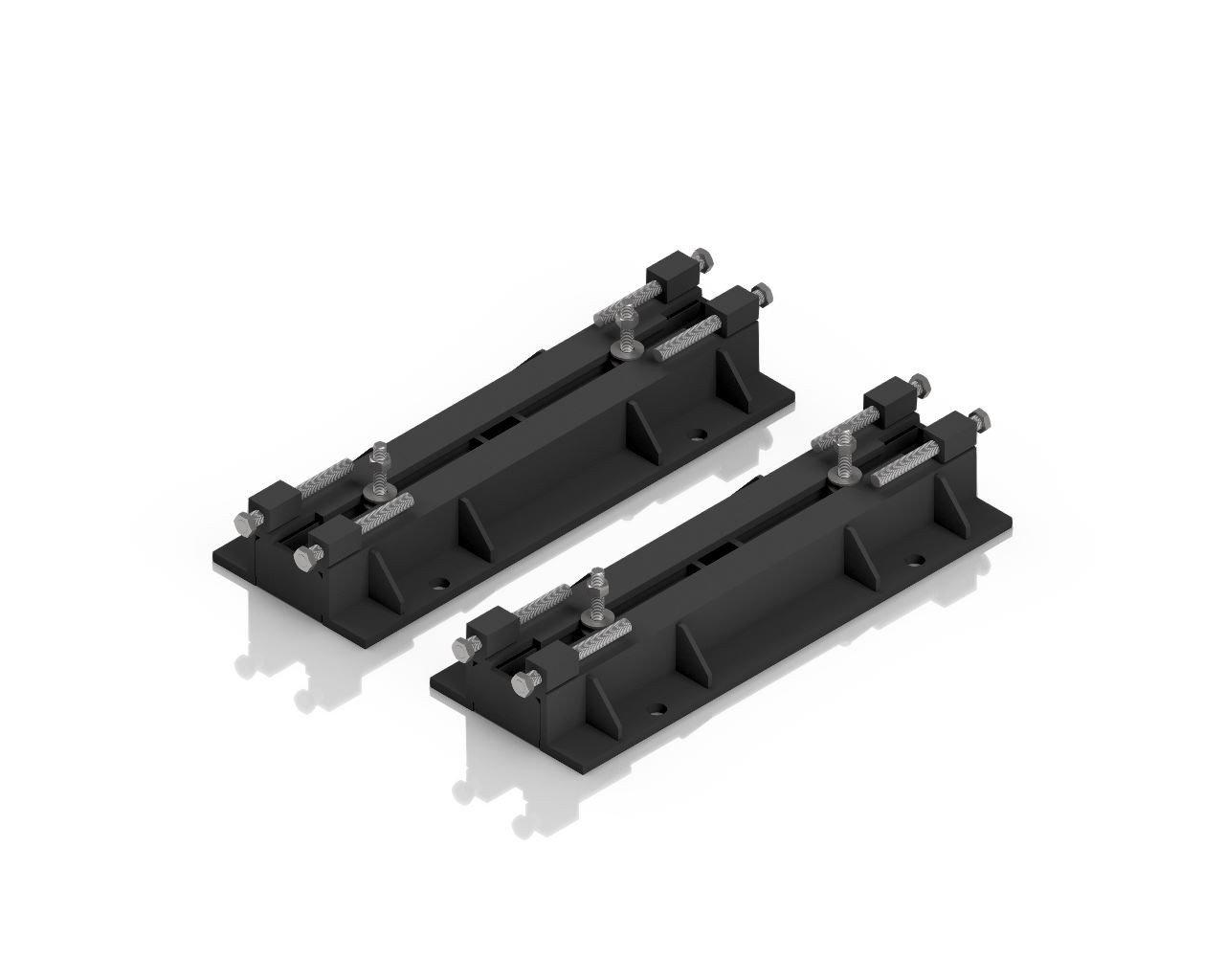
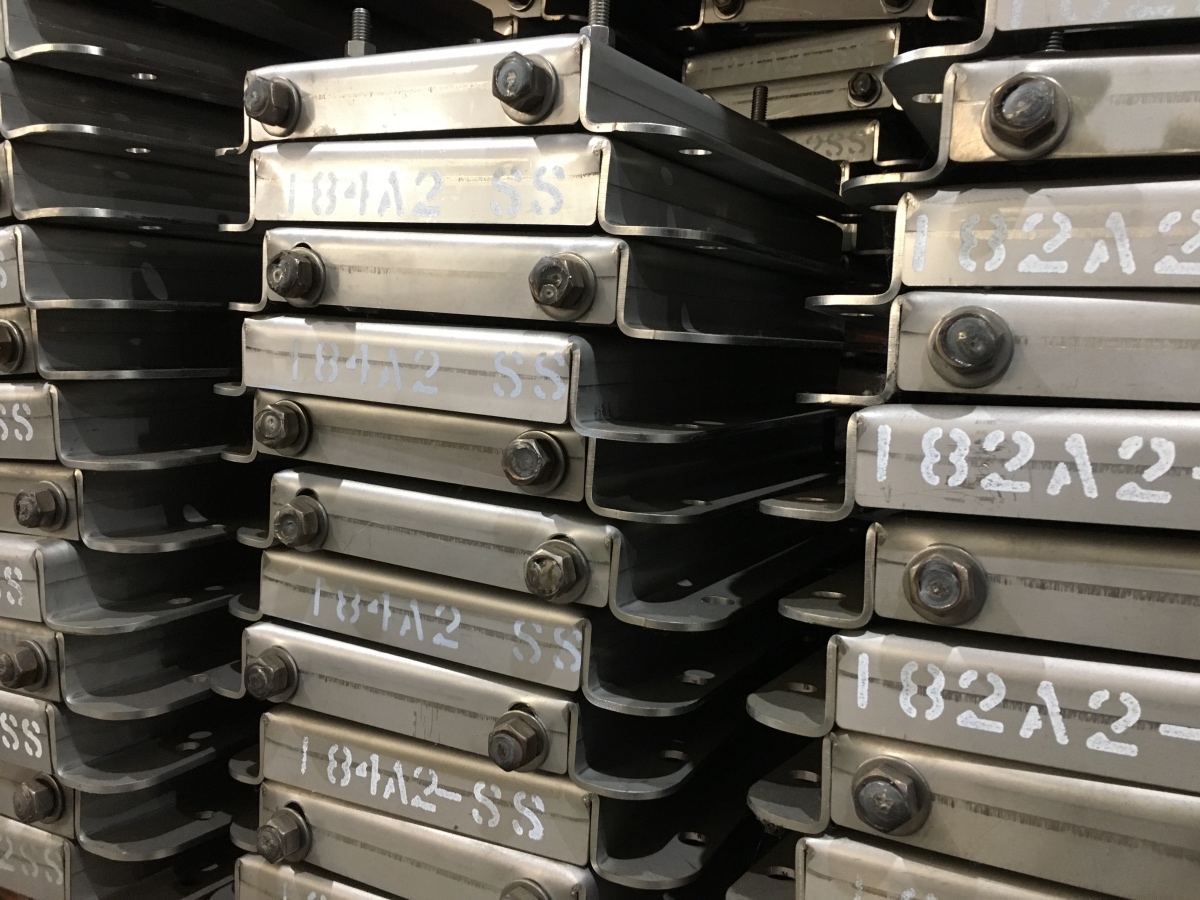
Adjustable motor bases: Allow controlled motor movement to establish shaft, pulley relationships and set belt tension. Overly Hautz’s single-adjusting bases use a push-pull adjustment system, while larger double-adjusting bases use dual positioning screws for greater flexibility in shaft alignment.
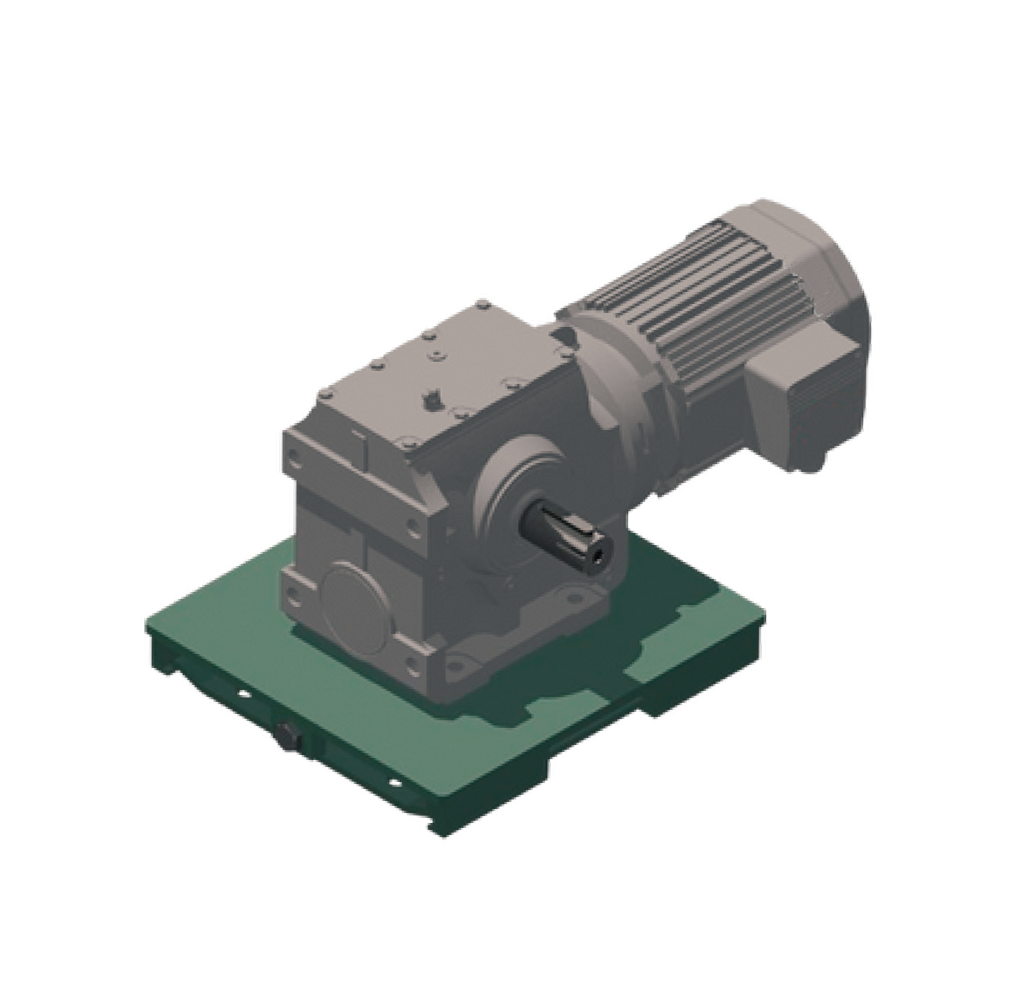
Adjustable gearbox bases: Provide controlled gearbox positioning where precise location, shaft relationship, or belt tension adjustment is required. This can be especially useful during installation, equipment replacement, or maintenance when gearbox position needs to be fine-tuned relative to the motor or driven equipment.
In both motor and gearbox applications, an adjustable base can make precise positioning more manageable while providing a stable platform once the desired alignment is established.
Alignment and Belt Tension in Belt-Driven Systems
In belt-driven motor and gearbox arrangements, positioning affects both alignment and belt tension. Improper positioning or belt tension can contribute to belt slippage, uneven belt wear, excessive bearing loads, heat, and energy losses.
It is important, however, to distinguish between adjustable and automatic motor bases.
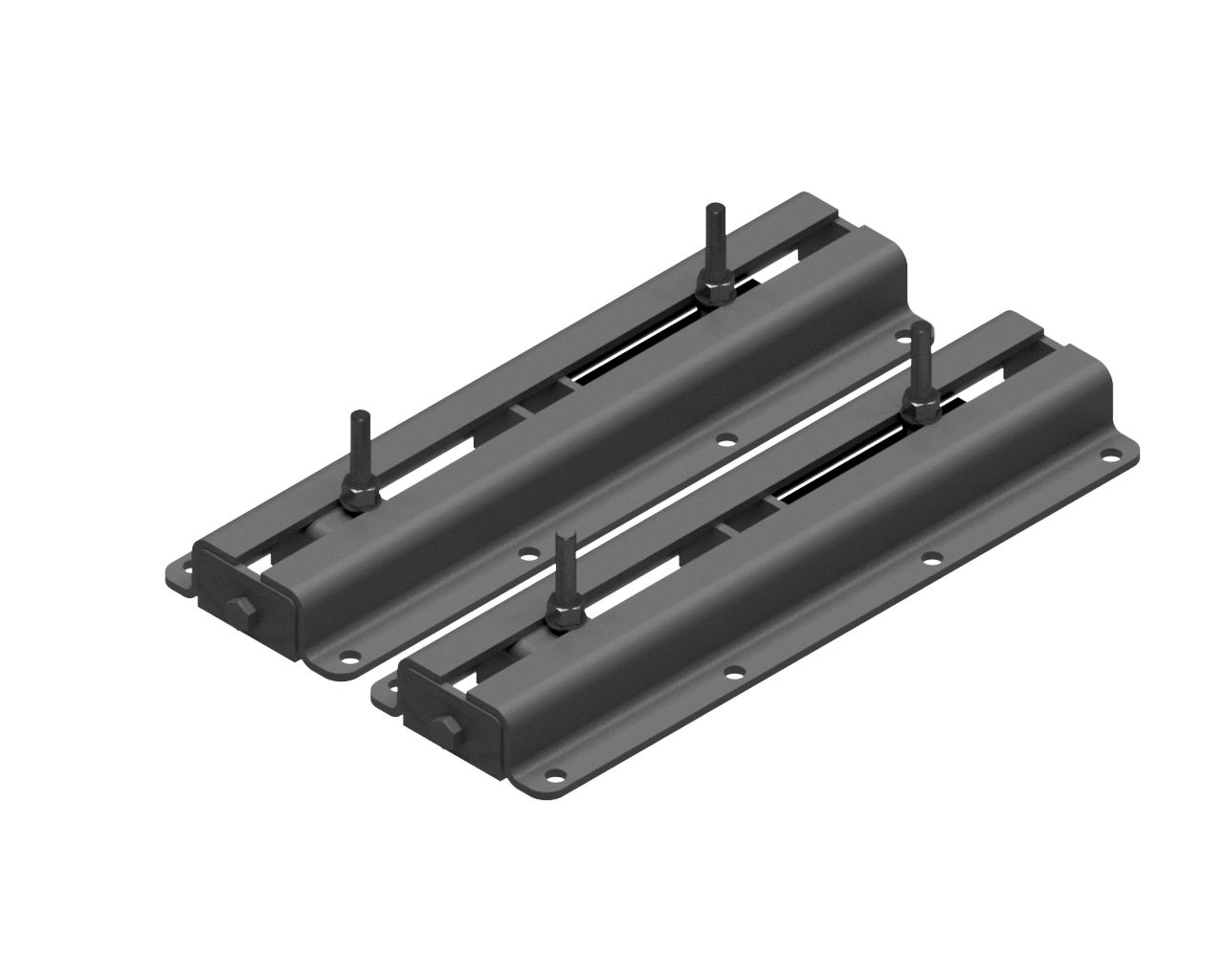
With a standard adjustable motor base, pulley alignment and belt tension typically need to be checked and reset when belts are replaced. The Automatic® Motor Base is aligned during initial installation and maintains that alignment during subsequent belt changes, eliminating the need to realign the pulleys.
It also automatically compensates for belt stretch and changes in belt tension during operation.
How Gearbox Mounting Supports Positioning and Alignment
The gearbox requires the same attention to its mounting foundation.
A gearbox mount needs to provide the strength and stability required by the application while positioning the gearbox appropriately relative to the motor and driven equipment. Some applications also require adjustability for positioning, alignment, or belt tensioning.
Equipment replacement can create another alignment challenge. A new gearbox may satisfy the application’s performance requirements while having a different footprint, bolt pattern, or shaft location than the unit it replaces.
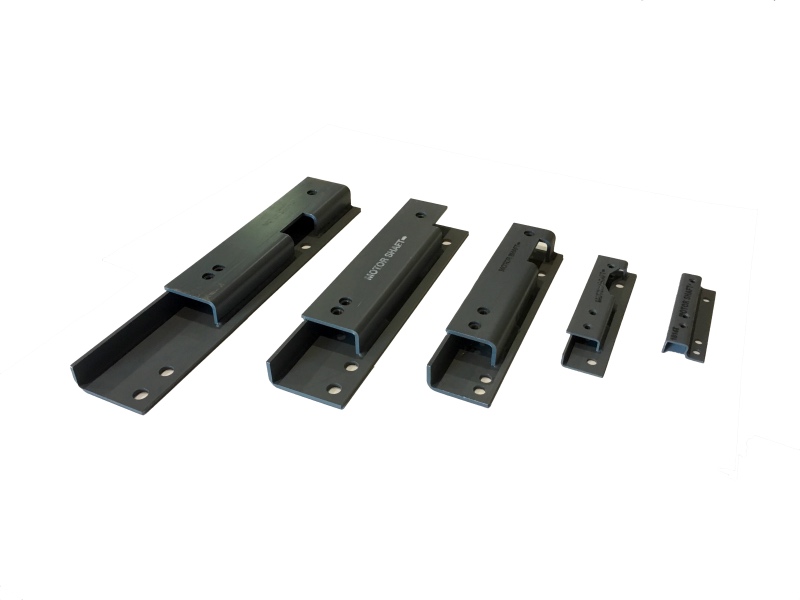
In those cases, a gearbox conversion base or custom retrofit solution can be designed to fit the existing mounting footprint while positioning the replacement gearbox where the drive system requires it.
What to Check When Setting Up Motor and Gearbox Alignment
Before installation or after maintenance that affects equipment position, review the complete mounting and drive arrangement.
Key considerations include:
- Motor and gearbox mounting dimensions
- Shaft position, centerline, and coupling or pulley alignment
- Mounting surface condition, including leveling or shim requirements
- Base rigidity, stability, and mounting fastener condition
- Required range of adjustment
- Belt tension for belt-driven equipment
- Motor size, NEMA frame, and horsepower
- Application severity, vibration, and operating loads
- Requirements for future maintenance and adjustment
The appropriate alignment procedure will depend on the equipment and drive configuration. Follow the motor, gearbox, coupling, belt, and other component manufacturers’ installation and alignment requirements when establishing final equipment position.
Build Alignment Into the Mounting System
Proper motor and gearbox alignment depends on more than the motor, gearbox, shafts, and couplings themselves. The mounting system provides the foundation for positioning those components and making controlled adjustments during installation and maintenance.
Overly Hautz can help your team evaluate mounting requirements early in the design, installation, or replacement process and identify a mounting solution suited to the equipment and application.