




A gearbox can reach the end of its service life while the equipment around it still has years of useful operation ahead.
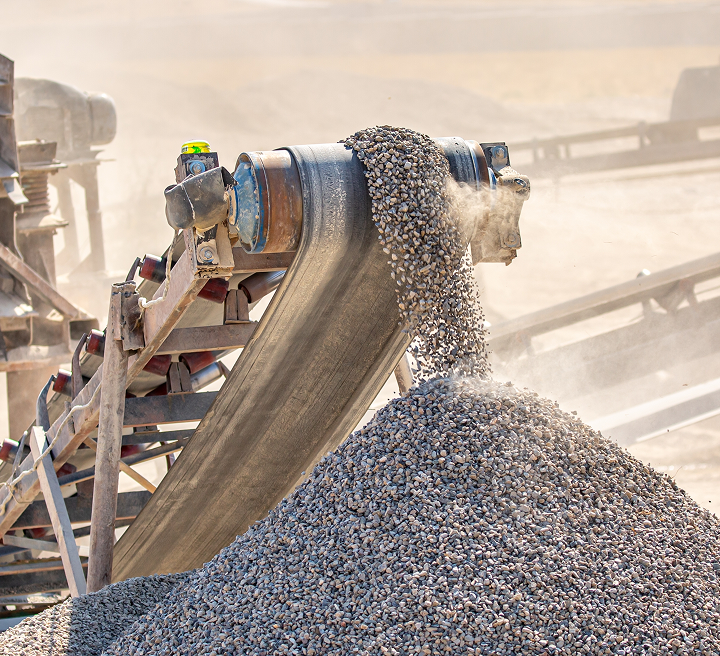
Consider a conveyor system with an aging gearbox that can no longer be economically repaired. Maintenance identifies a modern replacement that meets the required torque, ratio, and operating conditions. There is one problem: the new gearbox has a different mounting footprint and shaft location.
A properly designed retrofit base can bridge dimensional differences between the old and new gearboxes, allowing the replacement to work with the existing drive arrangement without automatically requiring extensive modifications to the foundation or surrounding equipment.
When Does a Gearbox Need to Be Replaced?
Industrial gearboxes can operate for many years under demanding loads, but wear, changing production requirements, and equipment obsolescence can eventually make gearbox replacement necessary.
Facilities may consider replacement because of:
- Gearbox failure or excessive wear
- Obsolete equipment or unavailable replacement parts
- Changing performance requirements
- Aging equipment that is due for an upgrade
- Maintenance costs that no longer justify continued repairs
The replacement process starts by finding a gearbox that satisfies the application’s mechanical requirements, including torque, speed, ratio, service factor, and operating conditions.
Finding the right gearbox does not necessarily mean finding one that physically matches the old unit. That is where the project moves from gearbox replacement to gearbox retrofit.
What Is a Gearbox Retrofit?
A gearbox retrofit adapts a replacement gearbox to an existing installation.
The objective is to account for dimensional differences between the original and replacement equipment while maintaining the shaft positions, alignment requirements, and mounting relationships required by the existing drive system.
A retrofit base may be designed to position the new gearbox within the available space while accounting for:
- Existing mounting footprint
- Bolt locations
- Input and output shaft positions
- Coupling alignment
- Pulley or sprocket alignment
- Center distances
- Available space
- Structural requirements
This can allow a facility to retain a serviceable foundation and existing equipment arrangement rather than redesigning the system around the dimensions of the new gearbox.
Retrofit the Mounting or Rework the Drive System?
Once a suitable replacement gearbox has been selected, engineers and maintenance teams need to determine how to accommodate any dimensional differences.
One option is to modify the existing installation.
That may make sense when the foundation also needs replacement, major equipment changes are already planned, or the facility intends to change the overall drive layout.
However, moving the gearbox can affect more than its mounting holes. A change in position may require teams to reevaluate shaft locations, bearing faces, coupling alignment, connected equipment, and other dimensional relationships throughout the drive.
A retrofit base may be appropriate when:
- The replacement gearbox meets the application requirements but has a different footprint
- The existing foundation remains serviceable
- Retaining existing shaft positions is important
- Minimizing structural modifications is a project priority
- Installation scope and downtime need to be minimized
- Maintaining the existing equipment arrangement simplifies the changeout
The decision is less about choosing between “replacement” and “retrofit.” A retrofit is one possible part of the replacement process.
How Does a Retrofit Base Simplify Gearbox Replacement?
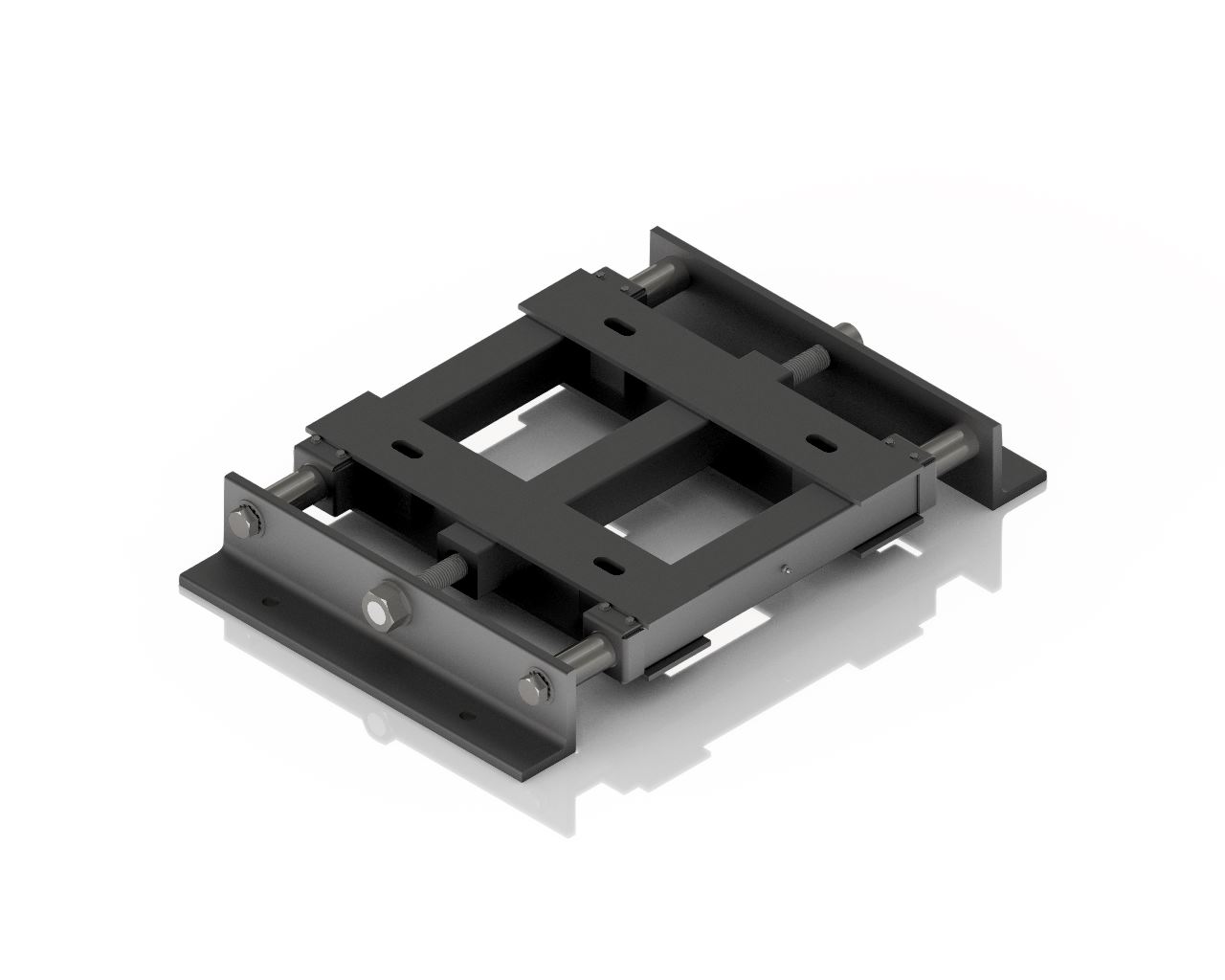
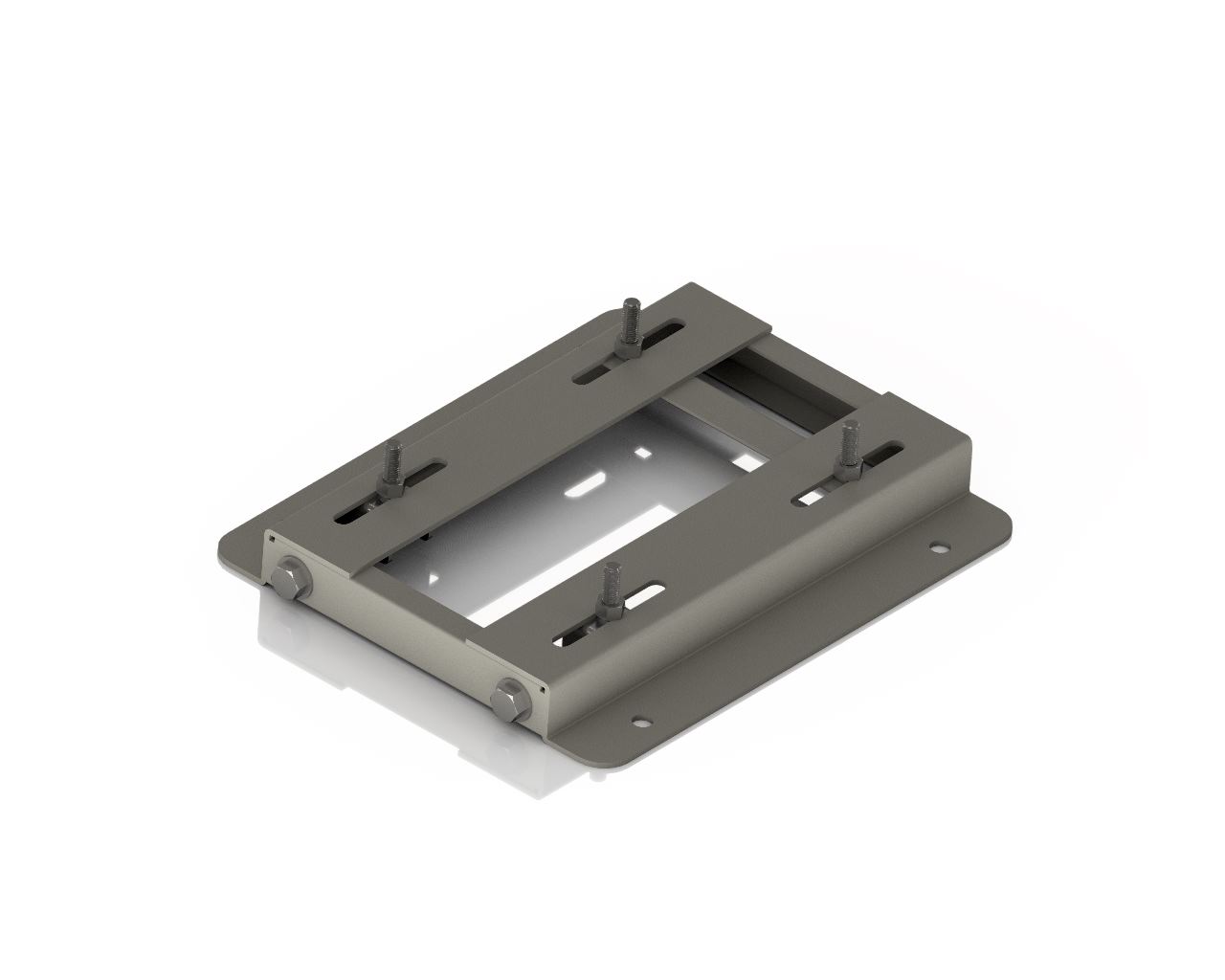
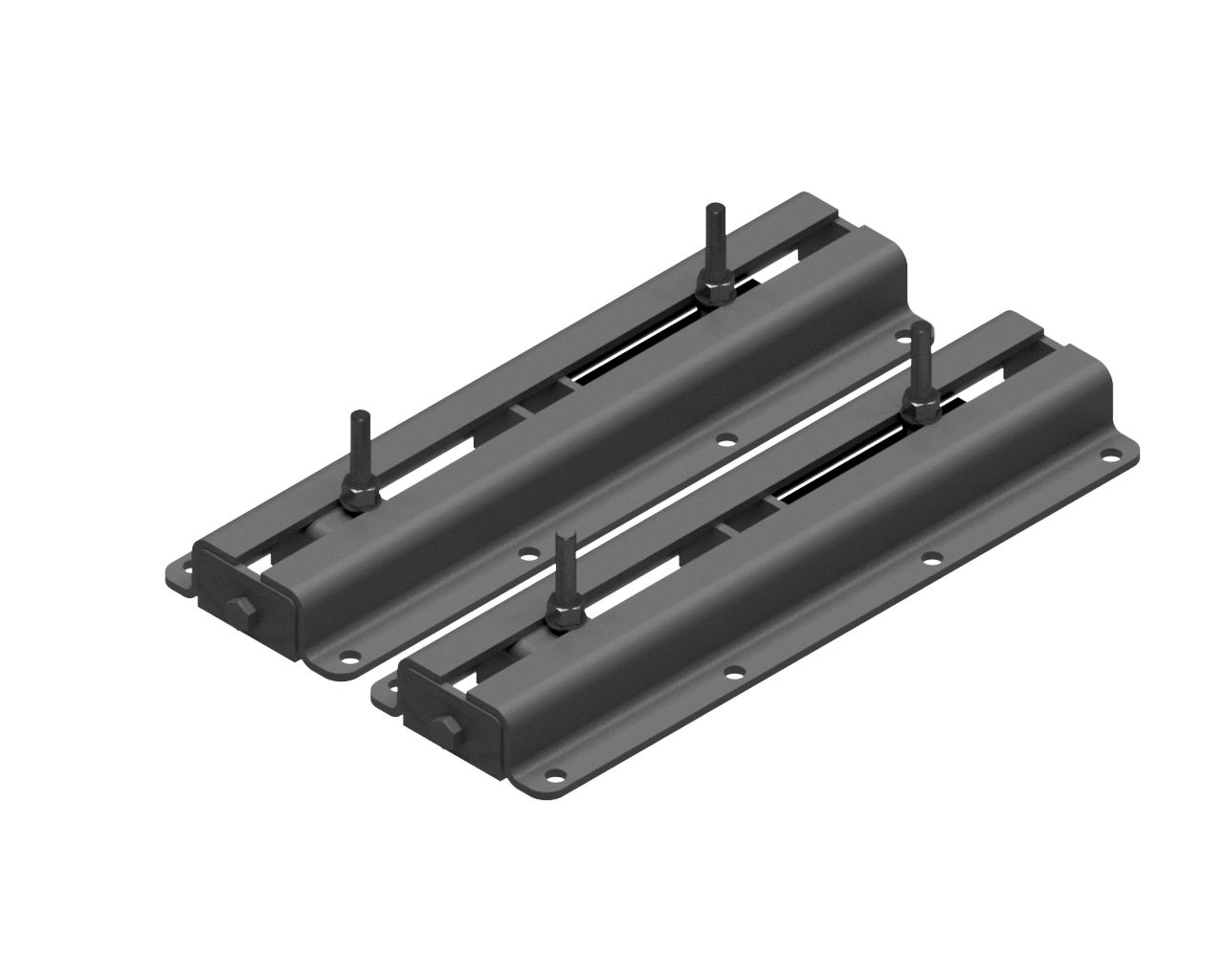
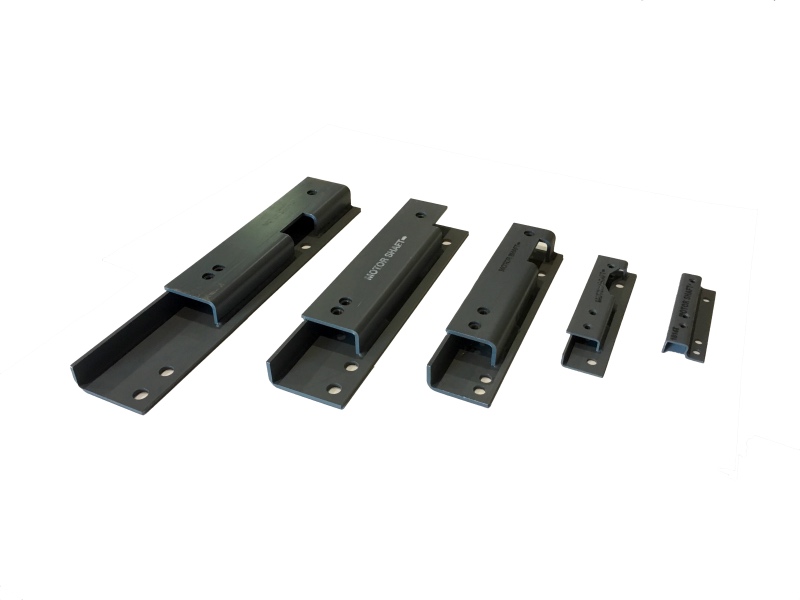
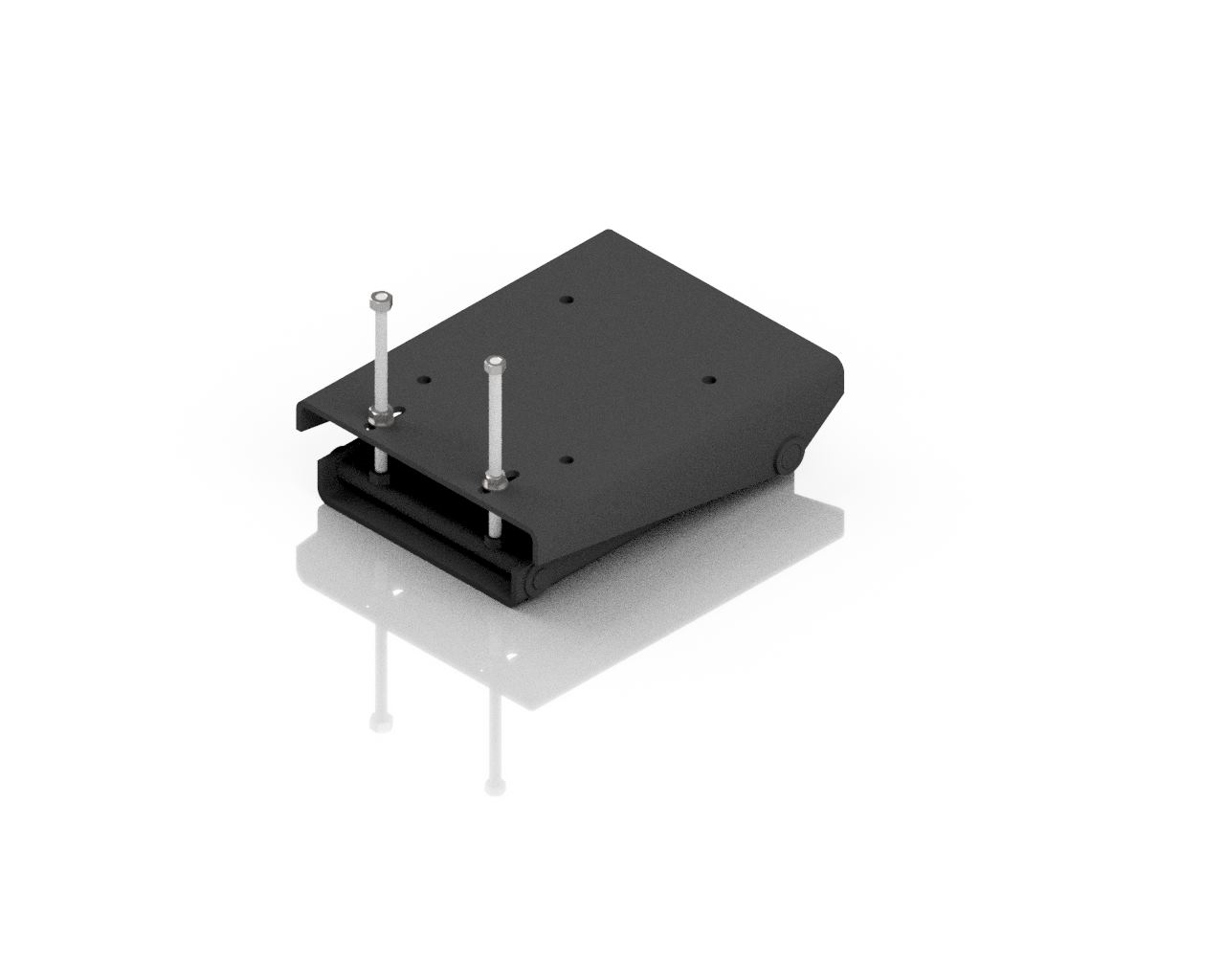
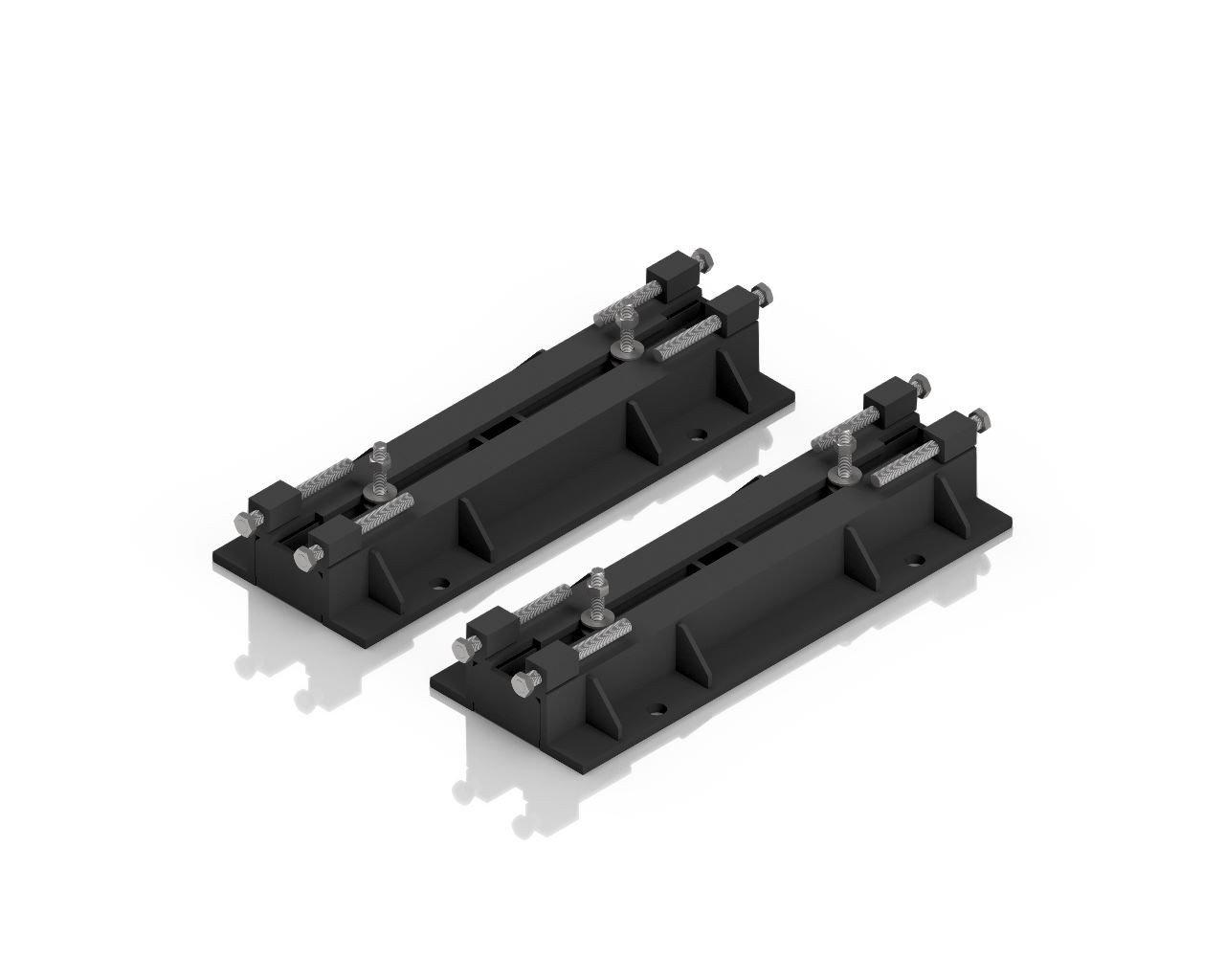
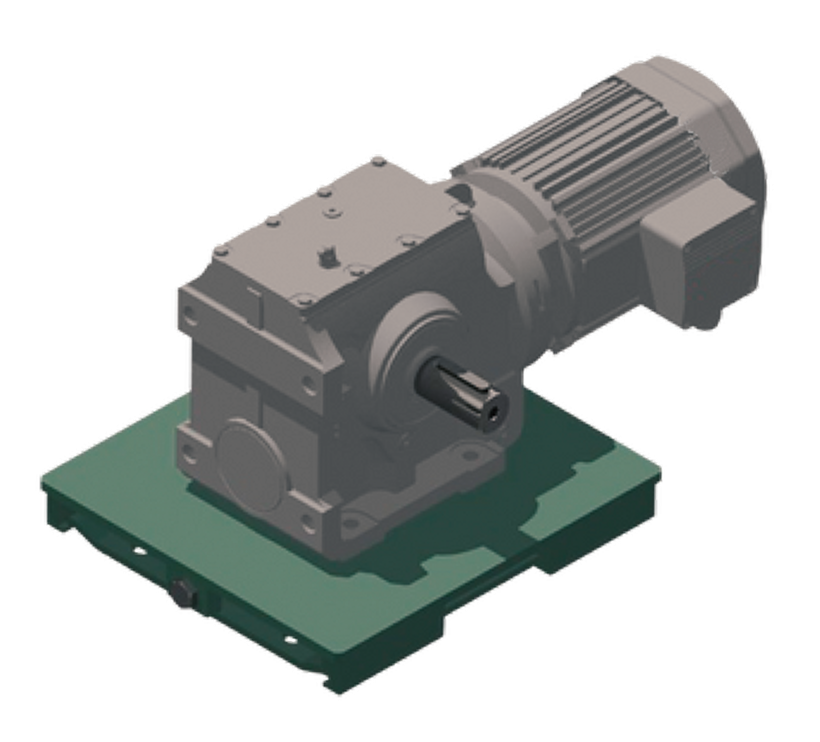
A retrofit base is designed to fit the existing mounting footprint while positioning the replacement gearbox where the drive system requires it. The design can vary significantly by application. A solution might involve a custom-drilled plate or require a fabricated mounting platform engineered around the dimensions, loads, and alignment requirements of the equipment.
A properly engineered retrofit base can help:
- Retain the existing mounting footprint
- Reduce structural modifications
- Simplify installation
- Maintain existing input and output shaft positions
- Support required alignment
- Reduce the scope of work associated with the changeout
- Help shorten equipment downtime
The key is designing around the requirements of the actual installation.
A generic adapter plate is not appropriate for every gearbox replacement. Gearbox dimensions, mounting patterns, loads, drive configuration, shaft positions, and structural conditions can all influence the required solution.
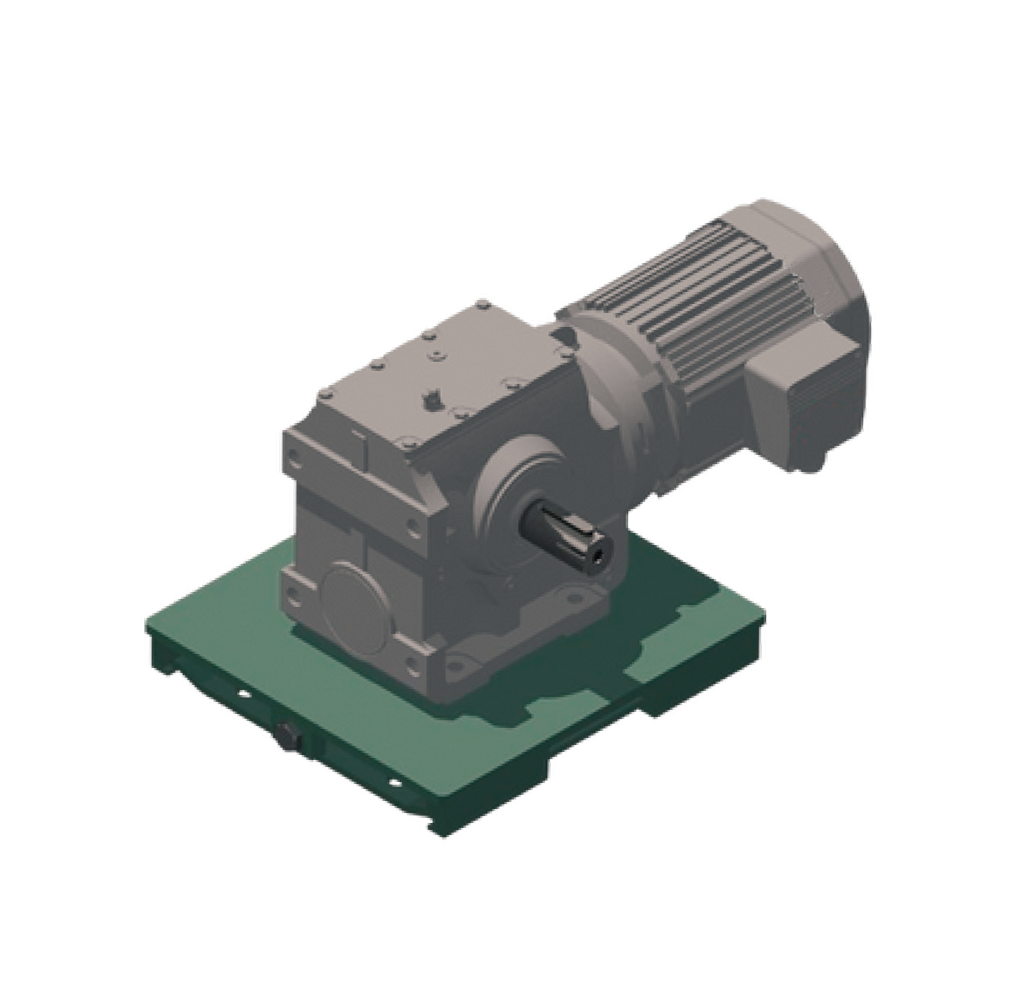
For applications that require a purpose-built solution, Overly Hautz designs a Custom Drop-In Retrofit Base around the existing mounting footprint and replacement gearbox. The goal is to provide a drop-in approach that positions the new gearbox appropriately within the existing drive arrangement.
What Should You Evaluate Before Planning a Gearbox Retrofit?
Planning starts with documenting what exists and comparing it with the proposed replacement.
Existing Mounting Footprint
Record the dimensions of the existing foundation or mounting surface, including bolt locations, available space, and structural conditions.
Determine which parts of the installation need to remain unchanged.
Replacement Gearbox Dimensions
Compare the new gearbox with the existing equipment. Important dimensions include:
- Mounting hole pattern
- Overall envelope
- Input shaft location
- Output shaft location
- Shaft centerlines
These measurements establish the dimensional differences the retrofit base must accommodate.
Alignment Requirements
Determine which existing relationships must be preserved.
For a direct-coupled system, coupling and shaft alignment may be critical. Belt-driven and chain-driven systems introduce considerations such as pulley or sprocket alignment and center distances.
The retrofit solution needs to address the complete drive arrangement, not simply the gearbox mounting holes.
Loads and Operating Conditions
Consider the torque, vibration, environmental conditions, and structural loads the mounting solution will experience.
A retrofit base needs to support the gearbox under its actual operating conditions.
Installation and Downtime Constraints
Determine how much time is available for the changeout and what work would be required if the existing foundation had to be modified.
This is particularly important when equipment downtime affects production elsewhere in the facility.
Plan the Gearbox and Retrofit Base Together
One of the most useful times to identify a mounting mismatch is before the replacement gearbox arrives.
If the existing gearbox has already been removed before dimensional differences are discovered, the facility may need to resolve those differences while the equipment is already out of service.
Whenever possible, identify dimensional differences before the changeout begins. Compare the existing and replacement gearbox drawings, verify mounting patterns and shaft positions, and address structural or alignment issues before installation.
Then, determine how the replacement gearbox will be mounted while maintaining the required shaft positions, alignment, and existing equipment arrangement. Where dimensional differences prevent a direct replacement, a retrofit base may provide the required mounting solution.
Overly Hautz provides Gearbox Mounting & Retrofit Solutions for applications where new equipment needs to integrate with existing installations.
Planning the mounting solution at the same time as the gearbox replacement helps address dimensional differences before they become field installation problems.
Make the New Gearbox Fit the Existing System
A gearbox reaching the end of its useful life does not necessarily mean the equipment surrounding it needs to be redesigned.
Gearbox replacement addresses the equipment. A gearbox retrofit addresses how that new equipment integrates into the existing system.
Talk with our team about how to best design a retrofit solution around your existing application.