



The Essential Guide to Industrial Gearbox Types, Applications, and When to Replace One
Virtually every manufacturing facility depends on reliable power transmission to keep production moving. One of the most important components in that system is the gearbox. Whether it’s driving a conveyor, mixer, crusher, or packaging line, the gearbox converts motor speed into the torque needed to perform demanding work.
Understanding how gearboxes work, where they’re used, and when they should be replaced can help maintenance teams reduce downtime, extend equipment life, and improve overall reliability.
What is an Industrial Gearbox?
An industrial gearbox is a mechanical device that transfers power from an electric motor to driven equipment while changing speed and torque. By using a series of precision-cut gears, the gearbox allows motors to operate at efficient speeds while delivering the force required for industrial applications.
Gearboxes allow motor speed and torque to be matched to the requirements of the driven equipment, making them an essential part of many power transmission systems.
Because they match motor speed and torque to application requirements, these systems are found across nearly every manufacturing and processing industry.
Common Types of Industrial Gearboxes
Several gearbox designs are available to use, each offering unique advantages depending on the application.
Helical Gearboxes
Helical gears use angled teeth that engage gradually, resulting in smooth, quiet operation and excellent load capacity. They are commonly used in conveyors, packaging equipment, and manufacturing machinery where continuous operation is required.
Bevel Gearboxes
Bevel gearboxes transfer power between intersecting shafts, typically at a 90-degree angle. They are often found in material handling systems, heavy industrial equipment, and agricultural machinery.
Worm Gearboxes
Worm gearboxes provide significant speed reduction within a compact footprint. They are frequently used in lifting equipment, gates, conveyors, and applications requiring substantial speed reduction in a compact design.
Planetary Gearboxes
Planetary gearboxes distribute loads across multiple gears, making them ideal for high-torque applications in a compact package. They’re commonly used in robotics, heavy equipment, automation systems, and precision manufacturing.
Parallel Shaft Gearboxes
Parallel shaft gearboxes are well suited for applications requiring high power density and a compact drive arrangement.
Selecting the right gearbox depends on operating conditions, available installation space, required output speed, torque demands, environmental factors, and overall system design.
Where Are Industrial Gearboxes Used?
Gearboxes support thousands of applications across manufacturing and processing industries. Because these machines often operate continuously, gearbox reliability directly affects production uptime.
Common industries include:
- Manufacturing
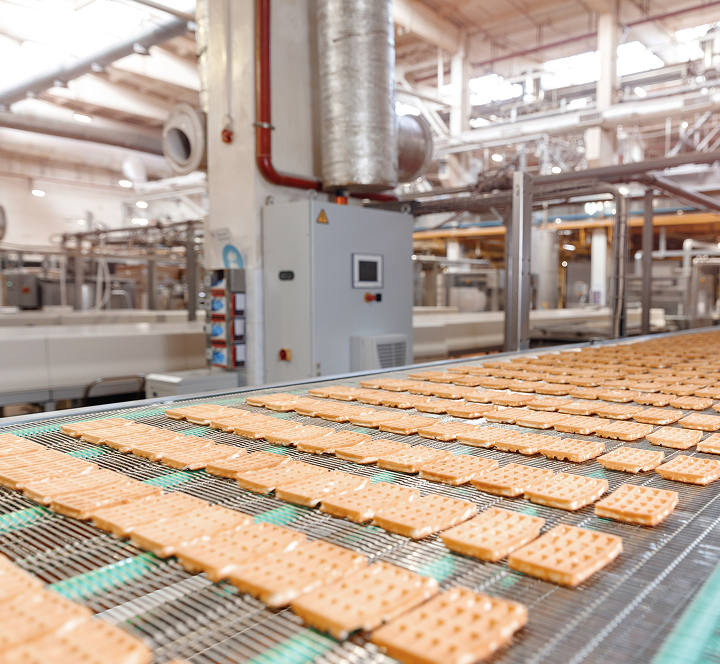
- Food processing
- Mining
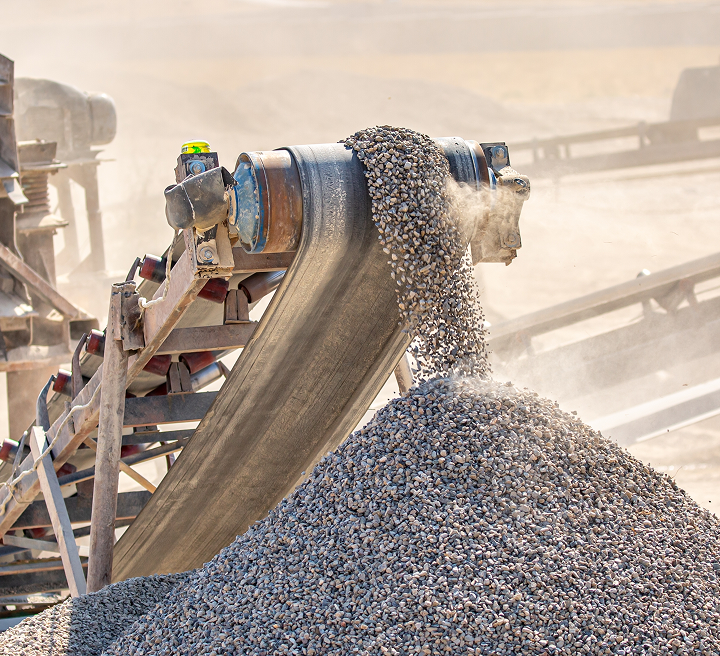
- Aggregate processing
- Steel production
- Automotive manufacturing
- Water and wastewater treatment
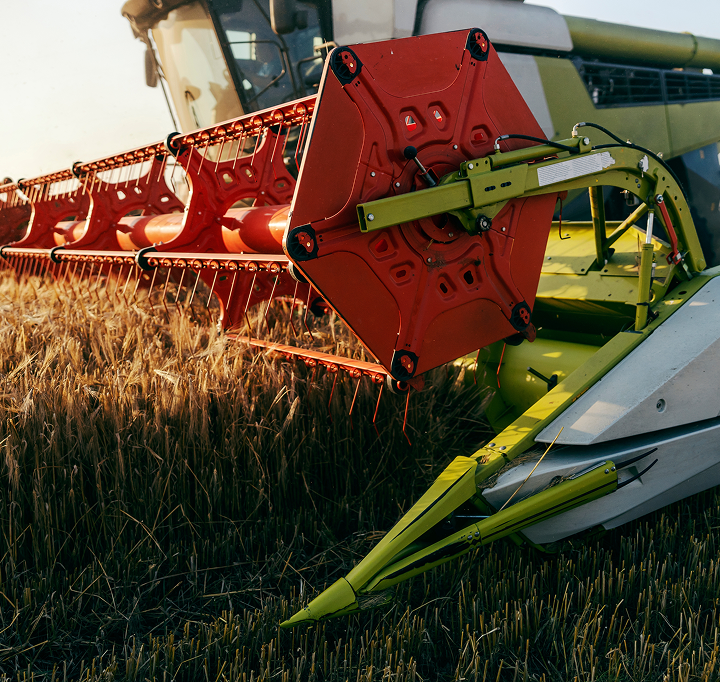
- Agriculture
- Pulp and paper
- Material handling and logistics
Typical equipment includes:
- Conveyor systems
- Mixers and agitators
- Crushers
- Pumps
- Fans
- Extruders
- Packaging machinery
- Hoists and lifting systems
Signs Your Gearbox May Need Attention
As you can see, industrial gearboxes are used often, and for tough jobs.
Which is why it’s important to keep in mind that even well-maintained gearboxes eventually wear over time. Identifying problems early helps prevent catastrophic failures and unexpected shutdowns.
Common warning signs include:
- Excessive vibration
- Unusual noise during operation
- Rising operating temperatures
- Oil leaks
- Metal particles in lubricant
- Reduced output speed
- Difficulty maintaining consistent performance
- Increased motor load or power consumption
Ignoring these symptoms can lead to extensive internal damage, affecting gears, bearings, shafts, and seals. Routine inspections help maintenance teams identify wear before it causes expensive downtime.
When Is Industrial Gearbox Replacement the Right Choice?
Not every gearbox problem requires replacement.
In many situations, repairs or component replacements can restore performance. However, industrial gearbox replacement may become the most practical option when:
- Internal gears are severely damaged
- Bearing failures have damaged shafts or housings
- Multiple components have reached the end of their service life
- Repairs become increasingly frequent
- Downtime costs exceed replacement costs
- Production requirements have changed and existing equipment no longer meets performance needs
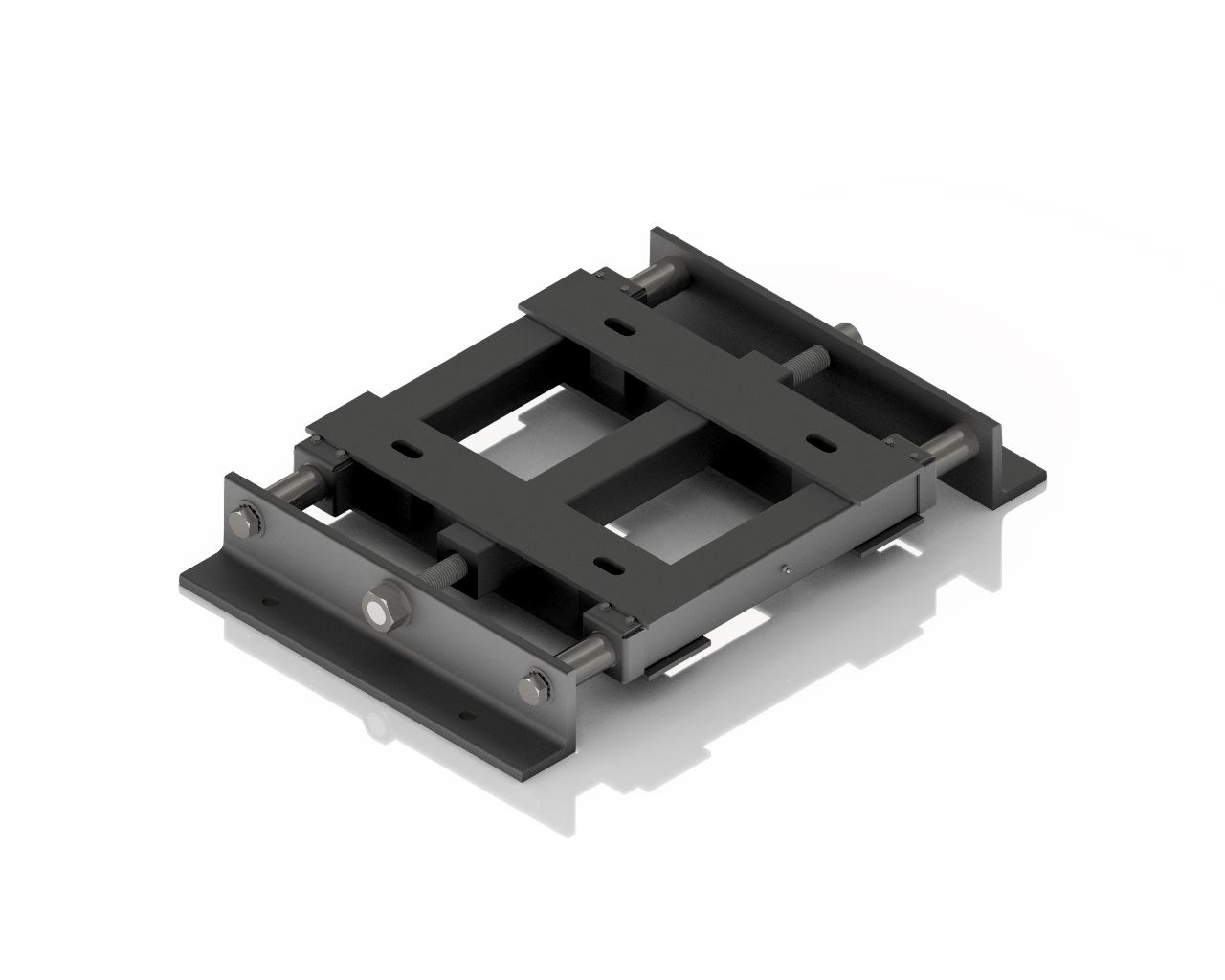
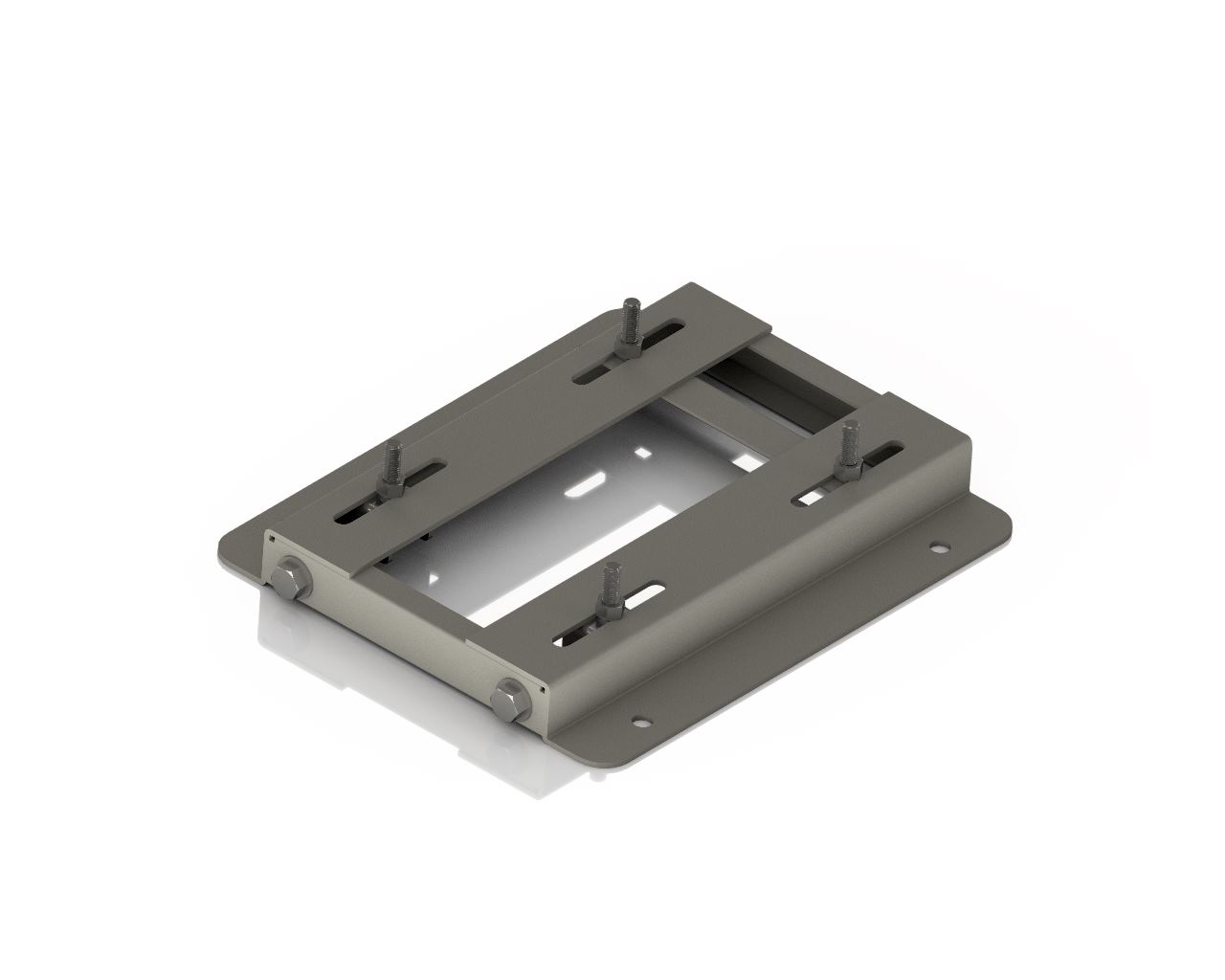
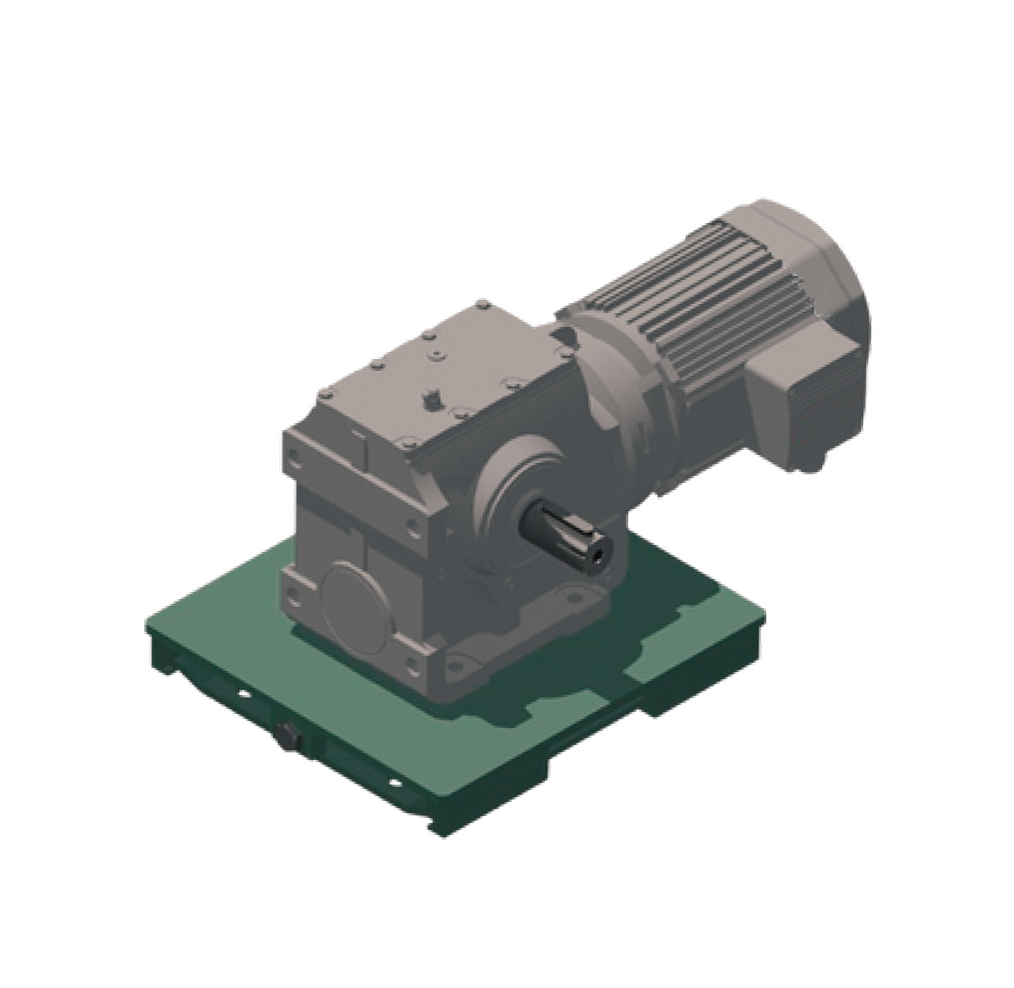
Replacing an aging gearbox can also create an opportunity to upgrade to newer equipment. When a replacement gearbox has a different mounting footprint than the existing unit, a gearbox retrofit can simplify the transition without requiring extensive modifications to the existing equipment or foundation.
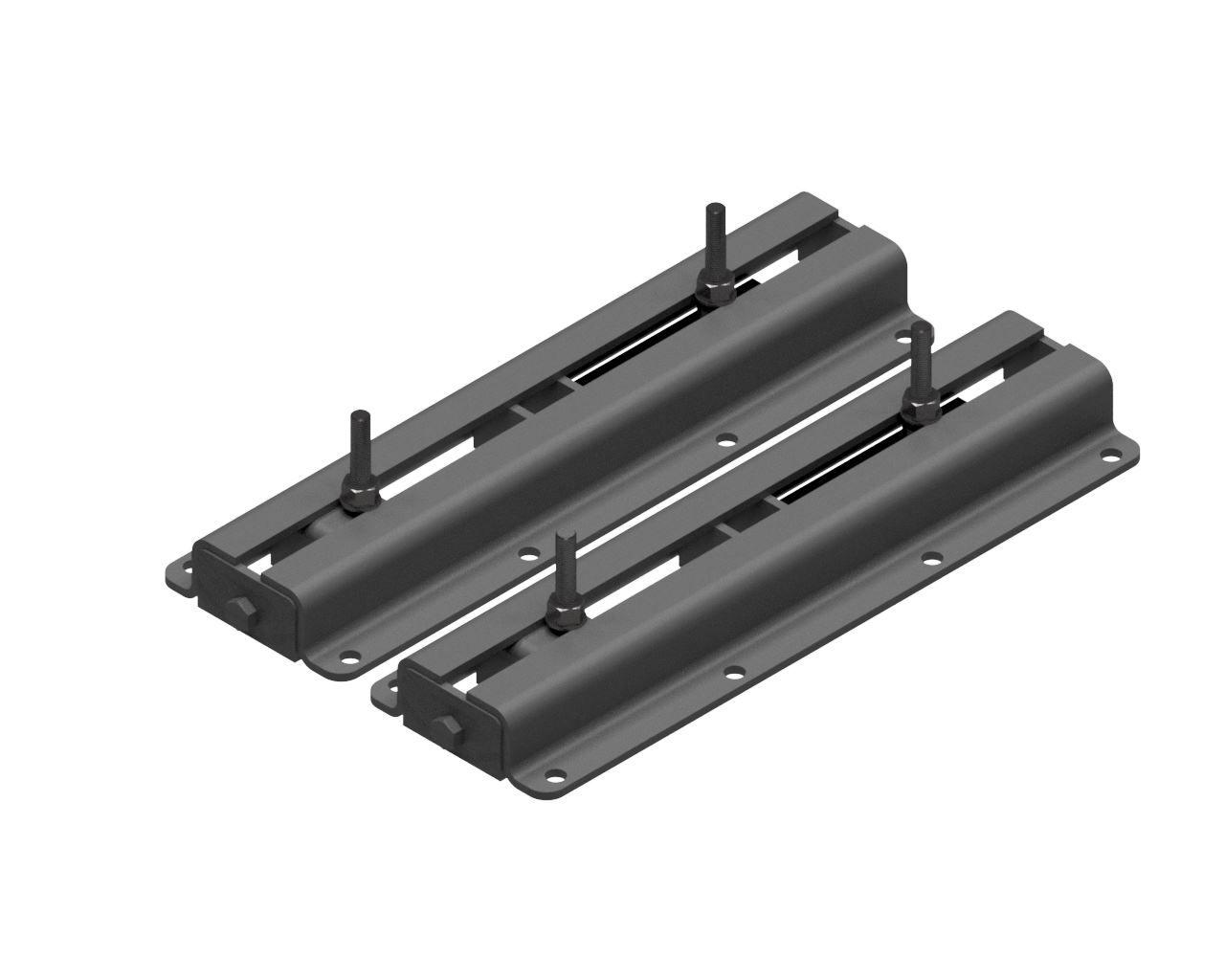
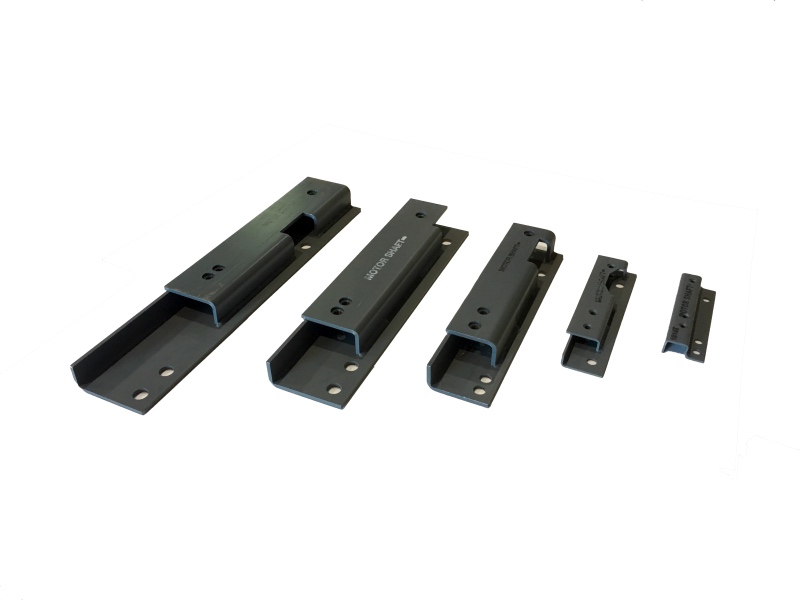
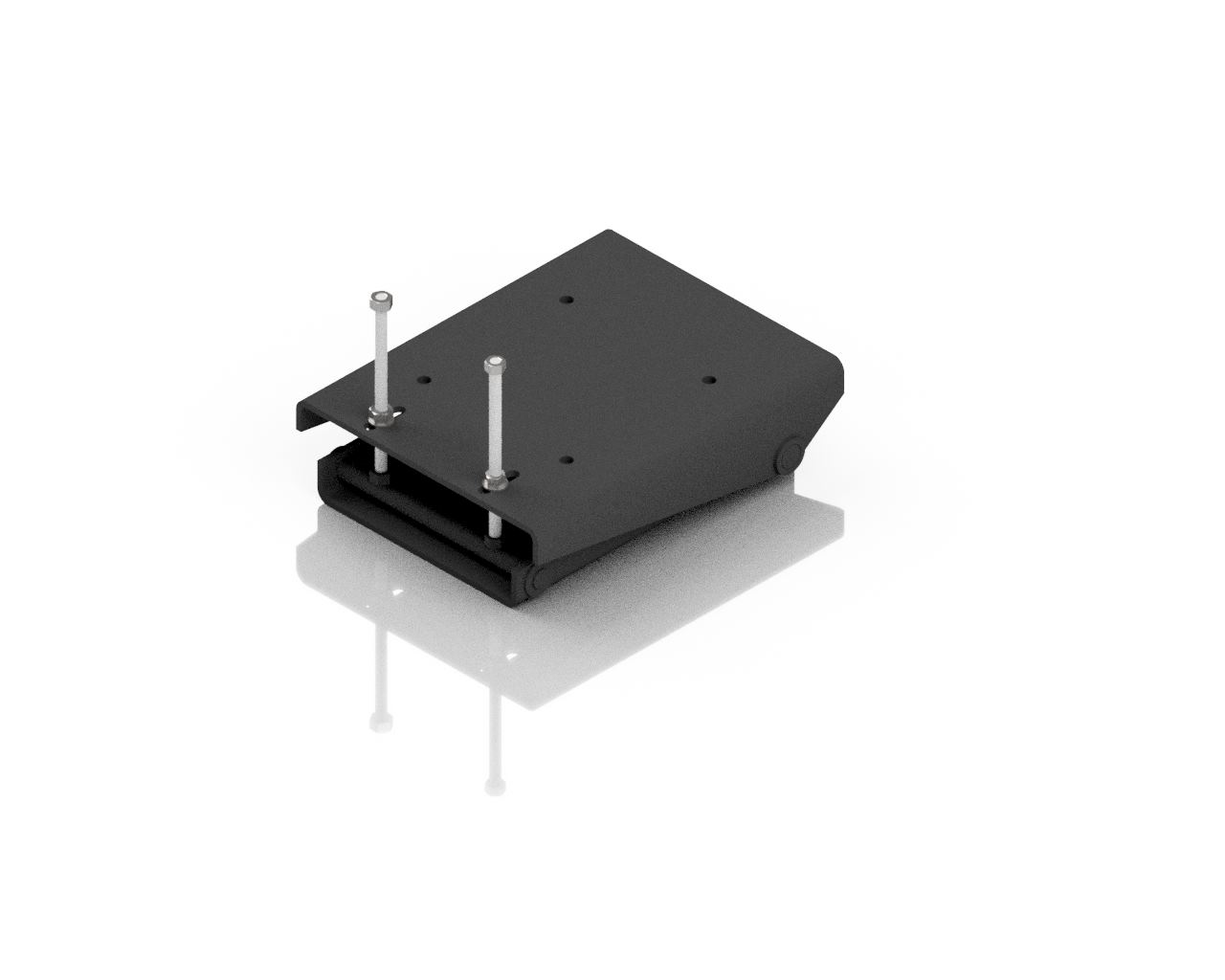
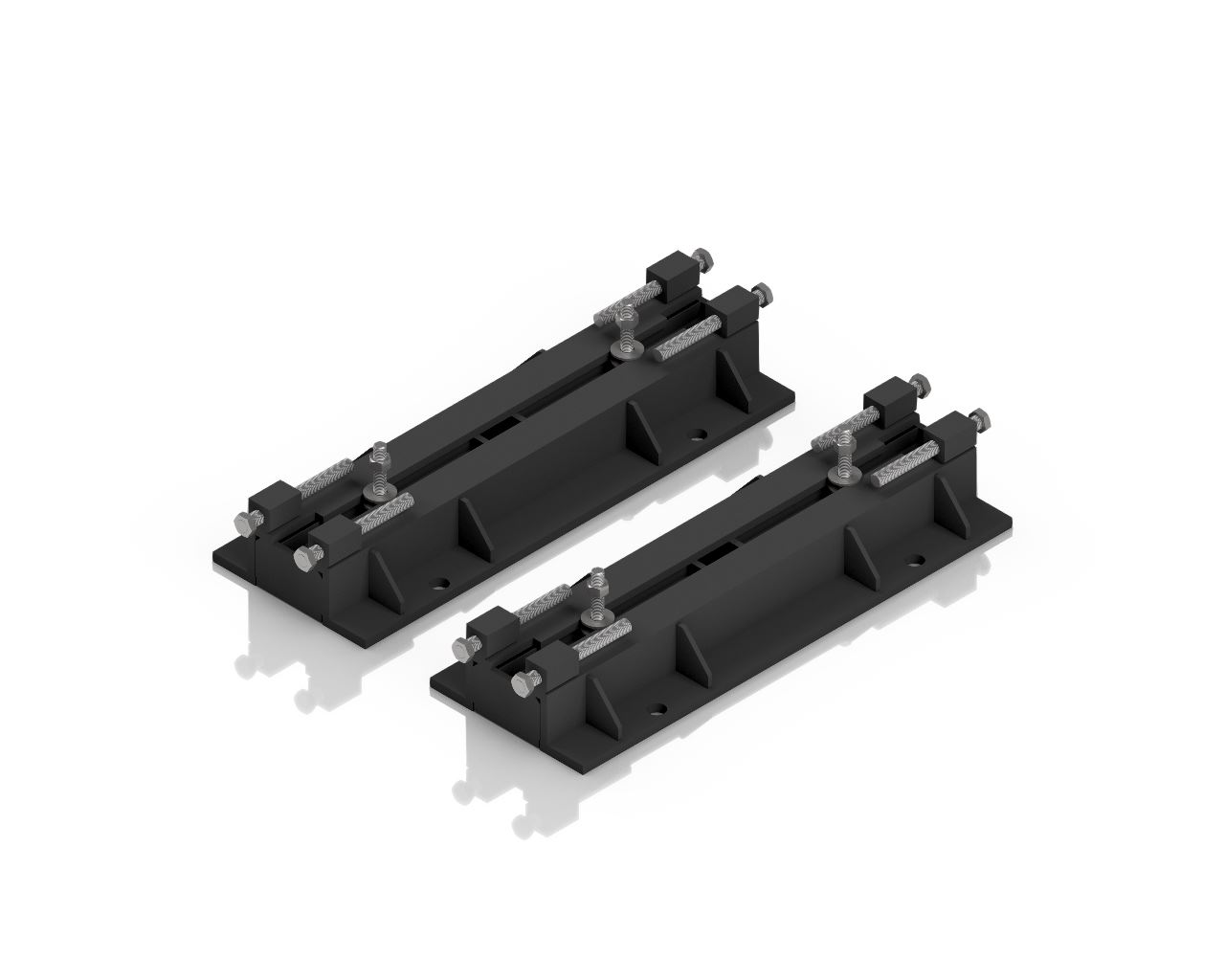
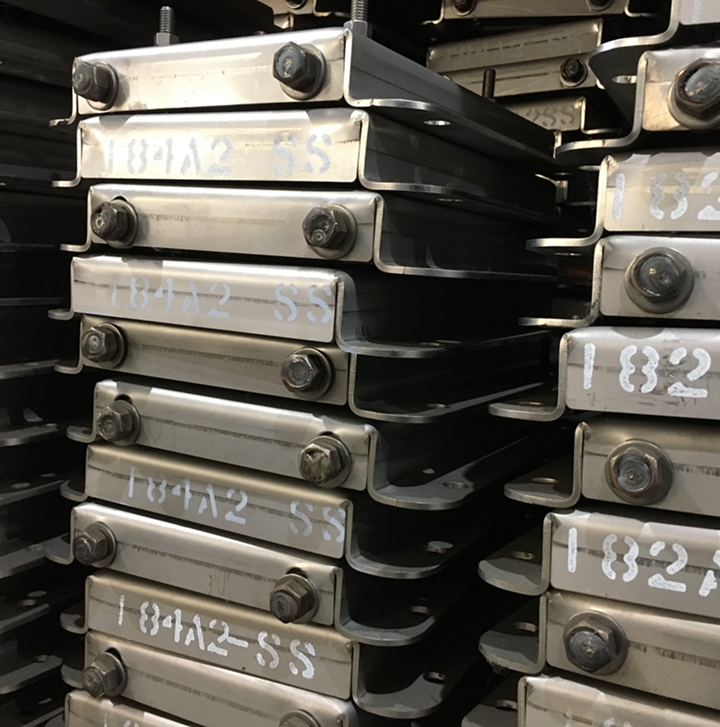
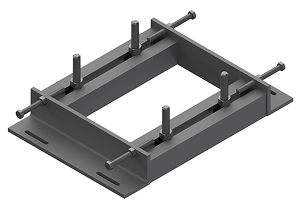
Gearbox mounting and retrofit solutions can provide a drop-in approach for adapting new gearboxes to existing mounting configurations, helping reduce installation complexity and downtime.
Why Proper Installation and Mounting Matter
Even a properly selected gearbox can experience premature wear or reduced performance if the drive system isn’t installed and supported correctly.
Proper installation should account for factors such as:
- Gearbox mounting configuration
- Motor position
- Coupling alignment, where applicable
- Belt tension, where applicable
- Shaft loading
- Torque reaction
- Stability of the mounting system
Alignment requirements vary depending on the gearbox and drive configuration. In systems that use couplings, proper motor, gearbox, and driven-equipment alignment can help reduce vibration and unnecessary stress on bearings, shafts, seals, and other drive components.
A stable mounting system also helps support proper positioning and makes future maintenance and adjustment easier.
Extending the Life of an Industrial Gearbox
Preventive maintenance remains the best way to maximize gearbox performance and avoid unexpected failures.
A comprehensive maintenance program should include:
- Routine oil analysis
- Regular inspections for leaks
- Temperature monitoring
- Vibration analysis
- Inspection of couplings and seals
- Alignment checks where applicable
- Inspection of belts and proper belt tension, where applicable
Many gearbox failures begin as small issues that can be corrected long before production is affected. Consistent maintenance helps identify those problems early while extending equipment life.
Whichever gearbox solution you choose, always follow the gearbox manufacturer’s recommended lubrication, inspection, and maintenance intervals for the specific unit and mounting configuration.
Supporting Reliable Gearbox Performance
Selecting the right gearbox, installing it correctly, and recognizing early warning signs can significantly improve equipment reliability while reducing maintenance costs and unplanned downtime.
If your facility is planning a new gearbox installation or upgrading an existing drive system, contact Overly Hautz. Our motor base and gearbox mounting solutions help support proper installation, simplified adjustment, and reliable power transmission performance.